


Welcome to issue #160 of FutureFemHealth, (w/c August 24 2026) - your weekly briefing on the global women’s health market.
Private equity money into menstrual health caught my eye this week, backing both a non-hormonal treatment for heavy menstrual bleeding ($30m!!) and also cycle care brand Rael. We’ve also seen Essity spend another $284 million on period care.
🌟 In this week’s briefing:
💰 PE-backed Series C reaches $30m for heavy menstrual bleeding
📈 TowerBrook invests in cycle care brand Rael
🩸 Essity agrees $284m period care acquisition in Brazil
🧪 NHS to send HPV home-testing kits to 1.5m women
Share your news: anna@futurefemhealth.com
💰 Capital flows
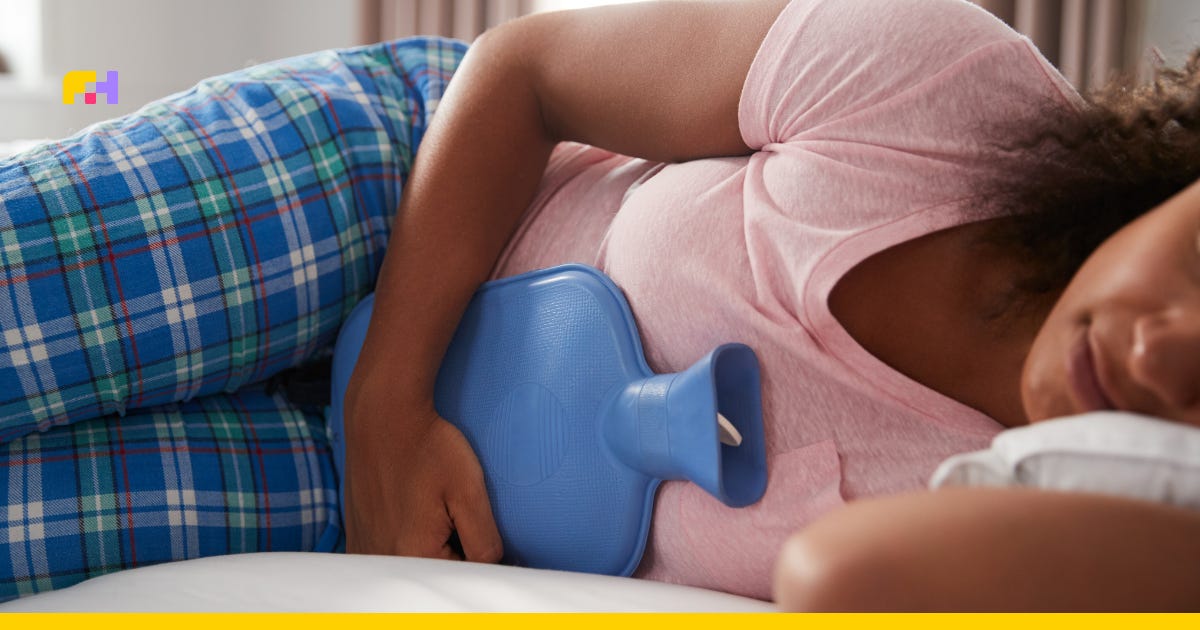
📌 US: Channel Medsystems reaches US$30 million in ongoing Series C for heavy menstrual bleeding treatment. It’s great to see this level of investment going into an area like heavy menstrual bleeding. Channel Medsystems is using the funding to expand Cerene, its non-hormonal cryotherapy treatment that takes just two-and-a-half minutes and can be performed without general anaesthesia. The company reports 90% of patients have normal, light or no periods afterwards and 86% see reduced cramping. The ongoing Series C is led by healthcare private equity investor InnovaHealth Partners. (Continue reading: FutureFemHealth)
📌 US: Private equity firm TowerBrook invests in cycle care brand Rael. A very different menstrual health PE bet to Channel Medsystems above. Founded around organic cotton period products in 2017, Rael now spans intimate care, skincare and hormonal wellness and is sold in more than 40,000 stores across the US and Korea. TowerBrook has invested alongside undisclosed co-investors to support further product and international expansion. No amount or ownership stake was disclosed. (Continue reading: TowerBrook)
📌 BRAZIL: Essity agrees US$284 million acquisition of Kenvue’s period care business. Another sizeable period care deal for Essity, which is buying Carefree, Sempre Livre and o.b. in Brazil - the world’s fourth-largest period and intimate care market. It follows Essity’s US$340 million acquisition of Edgewell’s North American period care business earlier this year, as it continues to consolidate established period care brands in major markets.(Continue reading: Essity)
🌟 Industry moves and strategic shifts
📌 US: Carrot becomes preferred fertility and family care benefit for more than 140,000 employees. Rather than winning employers one by one, Carrot is getting embedded into the benefits infrastructure. Healthcare Management Administrators, which manages health plans for self-funded employers across the Pacific Northwest and Michigan, has selected Carrot as its preferred fertility and family care provider. HMA will replace its existing maternity programme with Carrot’s broader offering spanning fertility, pregnancy, postpartum, adoption, surrogacy and menopause. (Continue reading: Carrot)
📌 US: Oura lawsuit puts wearable health claims under the spotlight. This isn’t specifically about Oura’s women’s health features, but it’s relevant to the growing number of wearables using sensor data to provide women’s health insights. A proposed class action accuses Oura of overstating the accuracy of its sleep tracking, including how its algorithms infer sleep stages from signals collected by the ring. The allegations have not been proven, but the case raises interesting questions for the wider wearable market about the claims made around sensor-derived insights. Oura disputes the allegations. (Continue reading: TechCrunch)
📌 US: Preventive health company Biograph launches dedicated women’s health programme. Another longevity/preventive health platform is building specifically for women. Biograph’s new programme combines reproductive history, hormone testing and menopause care with cardiovascular, metabolic, bone, cognitive and cancer risk assessment. It’s another example of the broader preventive health market recognising that women may need more than a slightly adapted version of care designed around men. (Continue reading: Biograph)
📌 US: Gotham FC adds fertility care to support for players, coaches and staff. Peak career years for female athletes can overlap directly with decisions about fertility and family building. Reproductive Medicine Associates of New York will now provide access to fertility assessments, egg freezing and IVF. It comes just a week after Chelsea FC Women launched a fertility fund for its players — another sign that fertility support is becoming part of how professional football clubs support female athletes.(Continue reading: Gotham FC / Chelsea FC Women)
◆ FFH PRO: Reimbursement is moving up the women’s health agenda
I kept hearing the same word in women’s health conversations this year: reimbursement. So I wanted to understand why it suddenly seems to matter more.
I spoke to Jodi Neuhauser of 51&, Andrea Ippolito of SimpliFed and Anu Sharma of Millie about what’s changing, where companies are getting caught out and why the route to getting paid needs to be considered much earlier.
🩸 Research and women’s health news
📌 UK: NHS England to send HPV home-testing kits to 1.5 million women. A major change to how cervical screening is delivered in England, with self-sampling kits set to be sent to women aged 25–64 who are overdue or have never been screened. Women can collect a vaginal sample at home and return it for HPV testing, moving part of the screening pathway out of clinics in an effort to reach those who aren’t attending appointments. (Continue reading: NHS England)
📌 US: FDA creates first device category for lenses designed to manage migraine-related light sensitivity. Avulux has received De Novo authorization for lenses that filter specific wavelengths of light for people with episodic migraine. Migraine disproportionately affects women, but the particularly interesting part is the regulatory precedent: the FDA decision creates a new device classification and pathway for similar products to follow. (Continue reading: Avulux)
That’s all for this week! If you’ve missed any previous newsletter issues catch them all at futurefemhealth.com and do make sure to follow us on LinkedIn and you can connect with me directly on LinkedIn.
Anna

Another great wrap up. I struggle with the idea that women need to postpone fertility to pursue their dreams. I get it for professional sports. But I've also heard of office environments where women are encouraged to freeze eggs in order to rise through the ranks. There are no guarantees with that choice either!