



An AI-based system that autonomously selects and isolates sperm cells has been used in an IVF cycle resulting in a confirmed pregnancy, marking a first-in-human milestone for fully automated sperm selection.
Developed by Israeli medtech company BAIBYS, the system combines artificial intelligence with robotic micromanipulation to both identify and physically isolate individual sperm cells for use in intracytoplasmic sperm injection (ICSI). The procedure was carried out by Dr Nino Guy Cassuto at Laboratoire DROUOT Paris in December 2025, involving a 37-year-old patient, with the pregnancy now confirmed beyond the first trimester.
While AI tools are already used in IVF to support sperm and embryo selection, these systems typically guide embryologists rather than replace them.
The physical selection and handling of cells remains a manual process, which relies on specialist skill and is therefore subject to variation between operators. In this case, the BAIBYS system performs both steps autonomously - selecting sperm cells based on morphology and motility, and physically isolating them without human intervention.
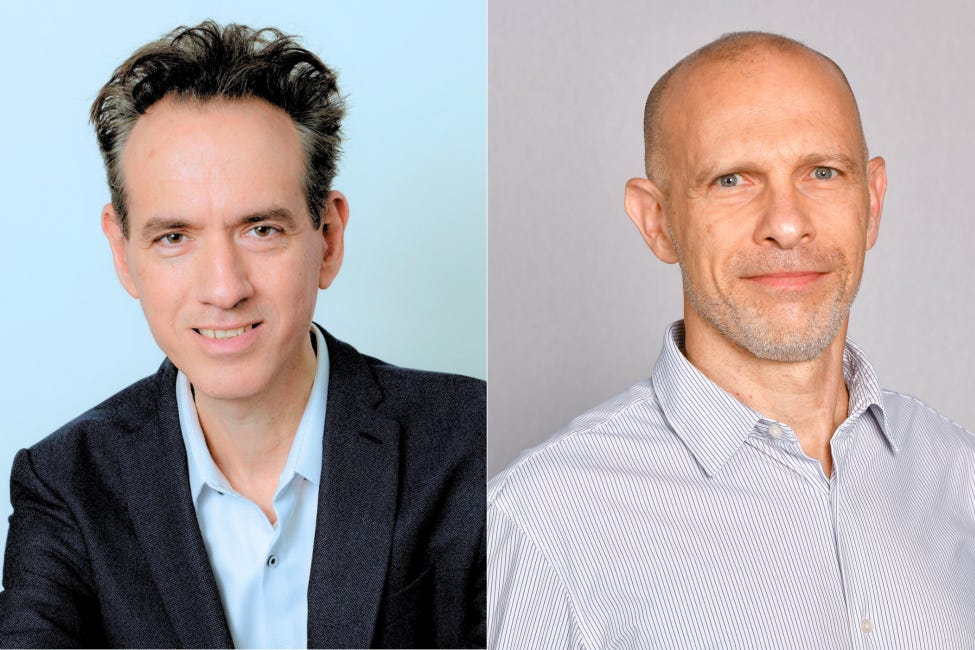
“This result validates the core premise behind BAIBYS: that one of the most consequential decisions in an ART cycle, selecting which sperm cells will be used to create embryos, should not depend on subjective visual assessment,” said Yaron Silberman, co-chief executive of BAIBYS.
“This pregnancy demonstrates that the approach works in a live clinical setting.”
Why sperm selection is key in IVF
Sperm selection remains one of the more technically demanding steps within IVF. According to the World Health Organization, more than 96% of sperm cells in a typical sample are considered abnormal. Some techniques such as high-magnification selection can improve identification of structurally normal cells but these approaches are time-intensive, require significant expertise and are not widely used in routine clinical practice.
BAIBYS is attempting to address that gap by combining high-magnification imaging with automated classification and robotic handling. The system evaluates sperm cells based on both motility and fine morphology, in line with WHO criteria, rather than motility alone, which is the basis for many existing software tools. In a validation study, the company reports 95% agreement with expert classifications in identifying morphologically normal sperm cells.
Its primary point of differentiation, however, is not just analysis but execution. Using robotic micro-manipulation, the system physically picks up selected sperm cells and isolates them into a separate droplet, ready for use in ICSI. Existing AI tools may recommend cells but still require an embryologist to perform this step manually.
In practice, clinicians load a disposable cartridge containing the sperm sample, select the number of cells required, and initiate the process. The system then runs automatically until sufficient cells have been isolated.
“We built BAIBYS to make high-magnification sperm selection accessible across fertility clinics,” said Gal Golov, co-chief executive and co-founder of the company.
“This milestone confirms that autonomous robotic sperm selection can deliver clinical results while addressing the growing shortage of skilled laboratory professionals and the global decline in sperm quantity and quality.”
The company holds CE mark certification and ISO 13485 accreditation, and has received funding support from the Israel Innovation Authority, alongside backing from healthcare-focused venture capital firm ACP HealthTech.
Although the technology targets sperm, it sits within the IVF process where treatment burden, cost and outcomes are primarily experienced by women. Any change to how embryos are created has downstream implications for how many treatment cycles a patient may need to undergo.
The result is currently based on a single case, and no comparative clinical data has yet been published on whether the system improves outcomes such as fertilisation rates, embryo quality or live birth rates.