


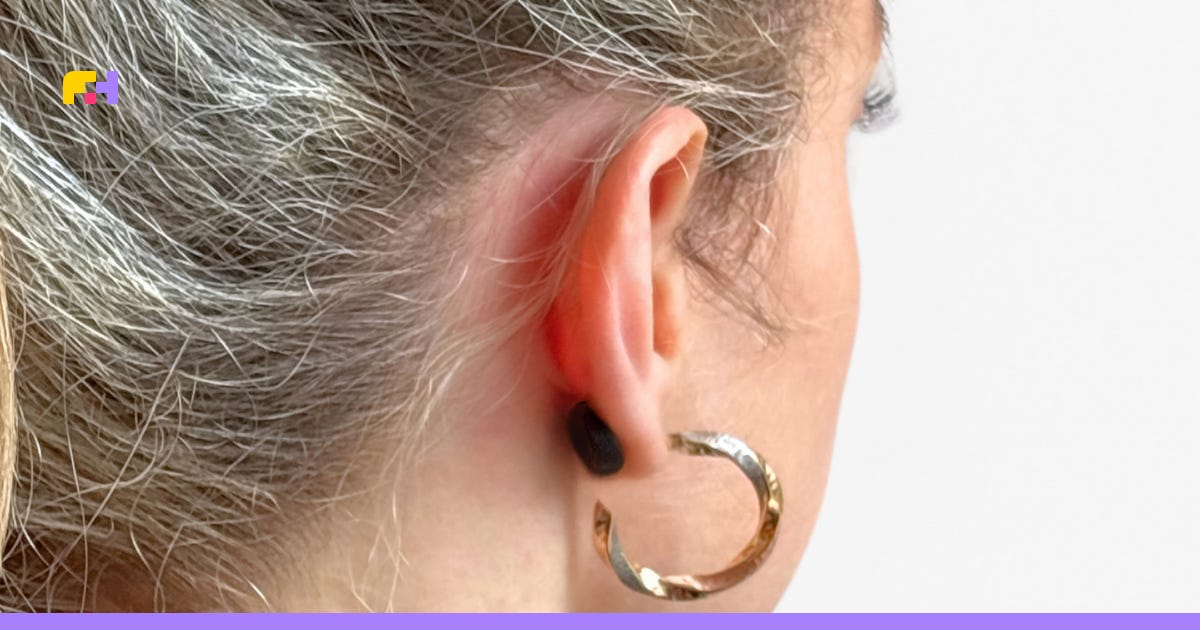
A US startup with backing from the National Science Foundation and research programmes at Rice University and Baylor College of Medicine has emerged from stealth with an earring-based wearable designed to track changing hormone patterns.
Phira was founded by Dr Alisha Menon, a wearable sensing researcher with a PhD in electrical engineering and computer science from UC Berkeley who previously worked on sensing technologies at Apple and CTRL-labs, later acquired by Meta.
Its small device sits behind the ear and continuously collects physiological data. Rather than directly measuring hormone concentrations in blood, urine or interstitial fluid, Phira uses thermoregulatory signals to identify patterns associated with estrogen, luteinising hormone (LH) and progesterone across the menstrual cycle.
For Dr Alisha, the idea grew partly out of frustration with existing cycle trackers.
“My cycle never behaved the way my trackers said it should. I needed to know what was actually happening inside my body, not just what averages said to expect,” she said.
“The way women understand our health has always been limited by snapshots and assumptions, leaving a gap between what our bodies are doing and the decisions we make every day.”
How does Phira work?
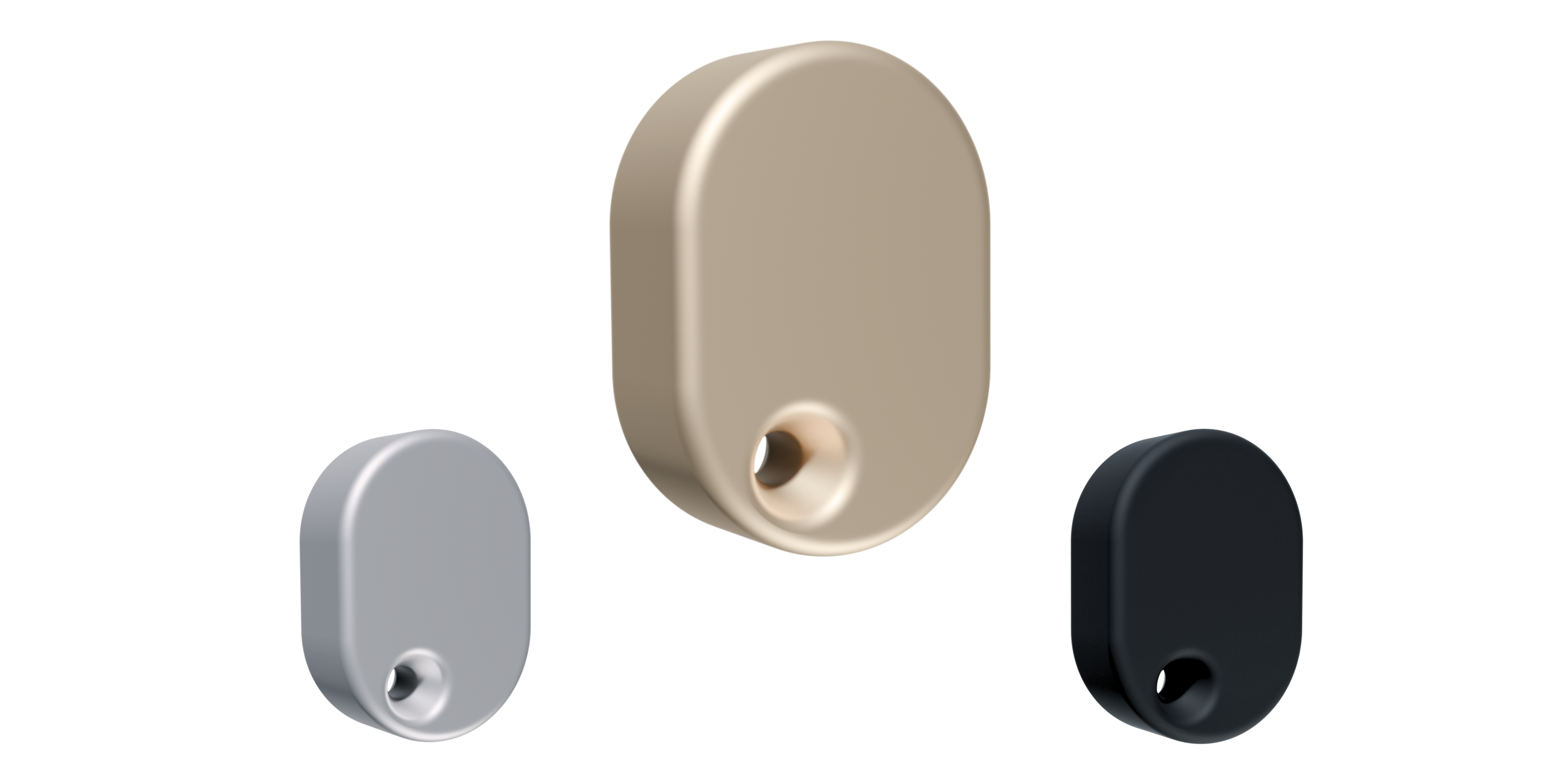
Phira’s approach builds on research linking reproductive hormones with thermoregulation. The company says the posterior ear gives it access to physiological signals more closely coupled to core body temperature than those collected at extremities such as the wrist or finger.
It has now released results on its website from an IRB-approved pilot study involving 12 women across 31 menstrual cycles. Participants wore the device continuously, with the study using daily urine-based hormone testing alongside a clinically validated sleep wearable and ovulation-confirmation app for comparison.
Phira says thermal biomarkers detected behind the ear showed patterns consistent with established estrogen, LH and progesterone dynamics across the cycle. The hormone-tracking results have not yet been published in a peer-reviewed paper.
Separately, a foundational study characterising the physiological signals collected by the earring-back wearable was peer-reviewed and presented at the IEEE Engineering in Medicine and Biology Conference in July.
A larger study is now underway to test the approach across a broader population, including women with PCOS and women in perimenopause.
Measurement or inference?
The launch comes amid a wider discussion over what should count as continuous hormone monitoring - and, in particular, the difference between directly measuring hormones and inferring their movements from other physiological signals.
That distinction came into focus earlier this year around Clair Health, which raised $11.6 million for its wearable technology. Clair also uses physiological signals and machine learning rather than directly sampling hormones, and describes its approach as “continuous hormonal inference”. The company has argued that the important question is not whether a technology directly measures a hormone, but how well its inference is validated and whether the resulting information is useful.
As we explored in our FutureFemHealth Pro analysis, companies in this emerging market are taking markedly different routes, from direct biochemical sensing in biofluids to technologies attempting to derive information about hormone dynamics from other physiological signals.
Phira falls into the latter group. Its bet is that the combination of continuous sensing, the posterior-ear location and sufficiently high-resolution physiological data can provide a useful window into hormone dynamics without directly measuring the hormones themselves.
The company plans to launch commercially in 2027 and has opened a waitlist for early access.
You might also like to read:
What actually counts as continuous hormone monitoring? Why the industry can’t agree

Continuous hormone monitoring is one of the most talked about emerging areas in women’s health.
Why Ida Tin and SPRIND are building the future of continuous hormone monitoring

Our hormones shape everything from fertility and menopause to cardiovascular health, cognition, mood, immunity and metabolism. Yet most of what we know about hormones comes from occasional blood, saliva or urine tests that offer only brief snapshots of a constantly changing system. And despite their central role in health, many fundamental questions abo…