


A Swedish startup focused on the emotional and psychological experience of pregnancy has raised an oversubscribed pre-seed round.
Omaia, based in Sweden, is building a platform designed to support expectant parents through the anxiety, uncertainty and emotional strain that can accompany pregnancy - an aspect of care that often sits outside the scope of traditional healthcare systems.
While around one in five women experience a mental health condition during pregnancy or postpartum, maternal mental health remains underfunded and underprioritised. Women’s health more broadly receives less than 5% of global research funding, with investment tending to favour clinical interventions over the day-to-day lived experience of care.
“The systems that decide what gets funded are not built to recognise problems that are deeply tied to lived experience,” said Nina Larsen, co-founder and chief executive of Omaia.
“Omaia was born out of the gap between clinical protocols and the reality of navigating the fear, anxiety and uncertainty that hundreds of millions of parents face globally.”
Origins in lived experience
The company’s origins are deeply personal. Larsen founded Omaia following the loss of her daughter, Nellie, at birth, an experience she has described as exposing the limitations of a system not built to fully recognise or respond to the emotional dimensions of pregnancy.
“I know that Omaia cannot and will not fail. For Nellie,” Nina said.
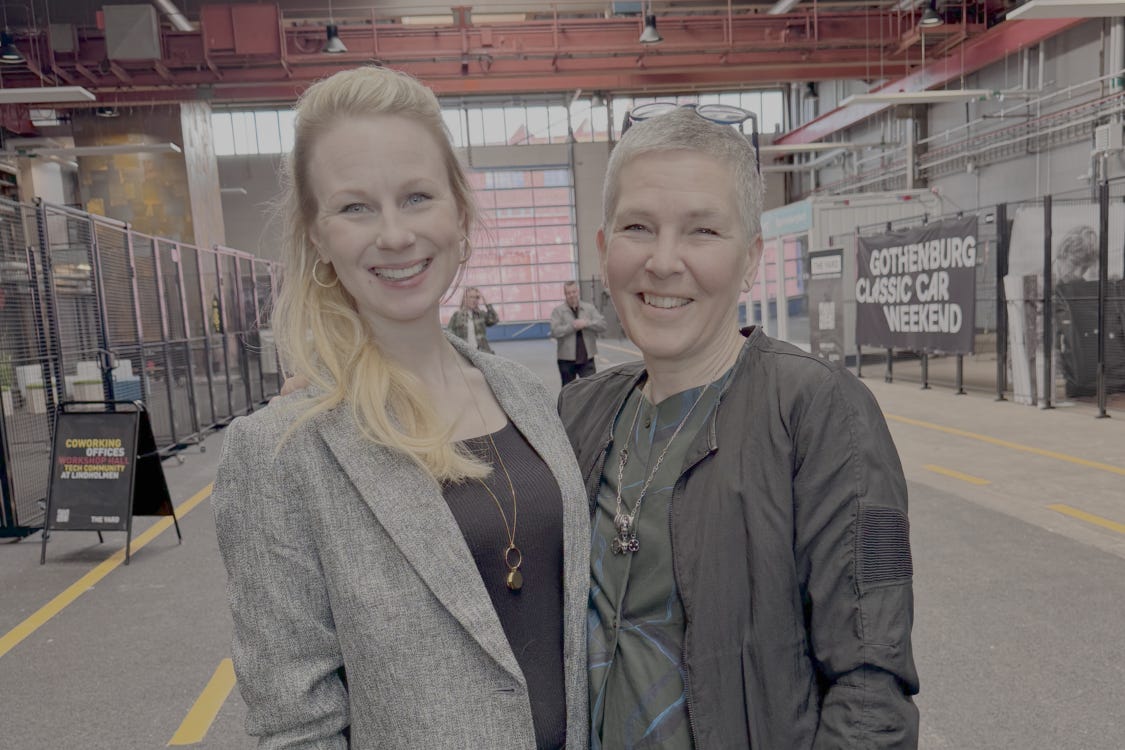
Co-founder Linnea Belding brings her own experience of perinatal anxiety and depression, shaping a product grounded in lived experience as much as clinical need.
Unlike many existing pregnancy apps, which focus on tracking or information, Omaia is positioning itself as a more responsive, behaviour-led support layer. It does not provide medical advice, but instead aims to complement clinical care by addressing what founders describe as the “in-between” moments - where much of the emotional burden sits.
“This round proves that the narrative is changing,” Larsen said. “Awareness is finally catching up to the data. We are building the solution that should have already existed.”