


A new biotech company is aiming to tackle a largely unaddressed driver of cardiovascular risk in women, with a drug and diagnostic platform designed specifically for those experiencing declining estrogen levels post menopause.
Septagen Pharmaceuticals, a spinout from Vanderbilt University in the US, is developing a precision medicine approach to what it describes as thromboinflammatory cardiovascular disease - a mechanism linked to increased platelet activity that is not addressed by current standard treatments.
Cardiovascular disease remains the leading cause of death in women, yet treatment approaches are largely the same as those used in men, typically relying on statins, blood pressure medication and aspirin.
“There are more than 55 million postmenopausal women in the United States alone, and no approved therapies specifically target the thromboinflammatory risk driving their cardiovascular events,” said Chief Executive Officer Malcolm Bohm, MD, PhD, a physician-executive with over 25 years of drug development experience and multiple successful exits.
“Septagen was built to change that - by bringing precision medicine to women’s heart disease in a way that has never been done before.”
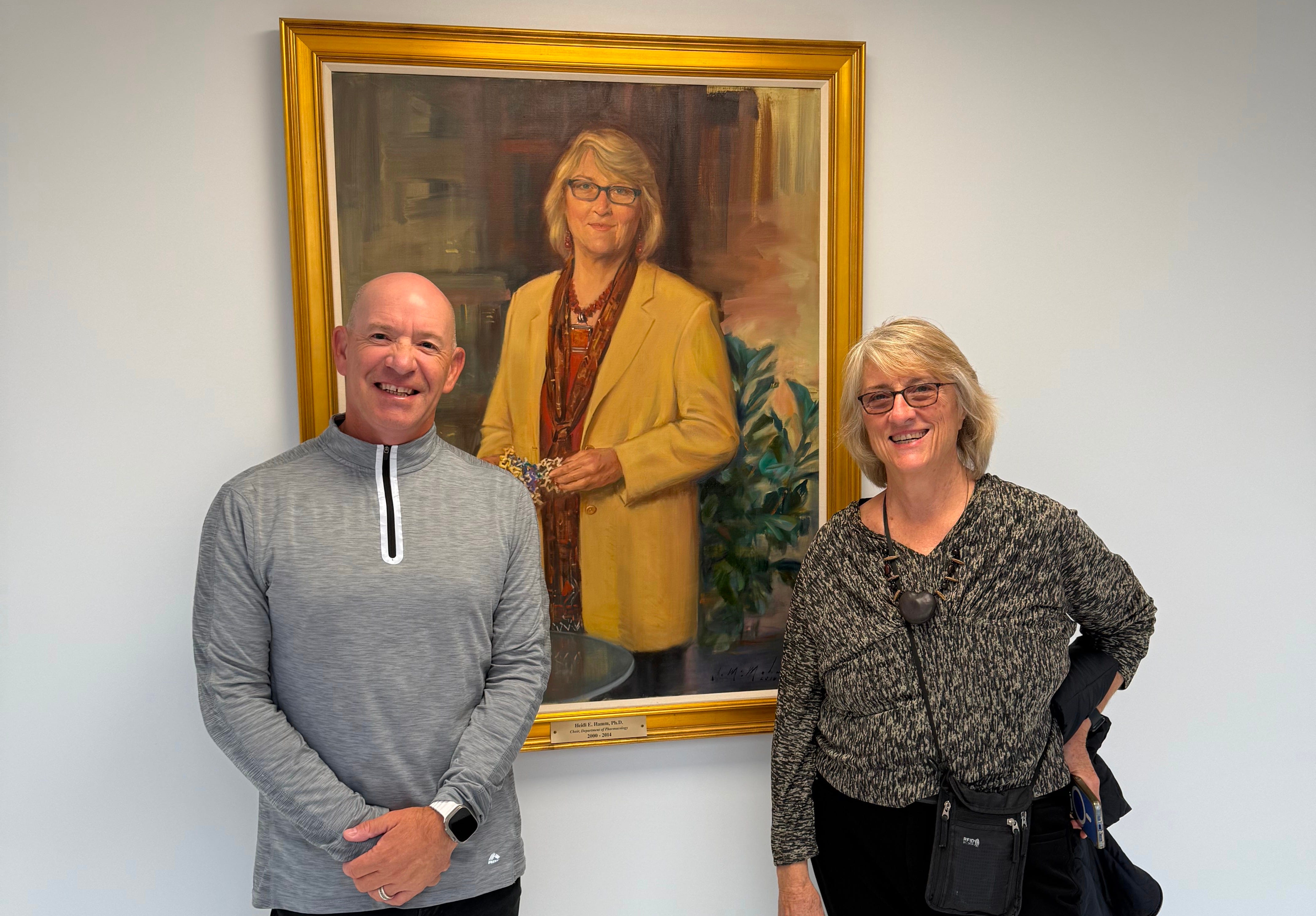
The company was co-founded with Chief Scientific Officer Heidi E. Hamm, PhD, a globally recognized leader in GPCR biology and cardiovascular signaling whose laboratory generated the foundational science behind the company’s approach.
Towards precision medicine
Septagen’s approach combines a blood-based diagnostic with a targeted therapy. Patients would first take a test designed to identify elevated platelet-driven risk. Those who test positive would then be treated with a once-daily oral drug aimed at reducing that specific mechanism, alongside existing therapies.
The model reflects a broader shift towards precision medicine, where treatments are matched to underlying biological drivers rather than applied uniformly across patient groups.
“Today, a postmenopausal woman who sees her cardiologist gets the same tools as everyone else,” added Bohm. “None of those address what is happening at the platelet level.”
While the PAR4 receptor targeted by Septagen’s drug has been studied previously, the company’s approach is based on newly established links between estrogen decline, changes in bone marrow biology, and increased platelet activity.
“The pieces existed separately,” Bohm said. “Our contribution is connecting them into a coherent, testable and treatable mechanism.”
The company is currently in preclinical development and is targeting submission of an investigational new drug (IND) application to the U.S. Food and Drug Administration within 18 to 24 months. First human trials are expected to begin between 2027 and 2028, likely in partnership with a larger pharmaceutical company.
The launch comes amid growing attention to gaps in women’s cardiovascular care, particularly in the years following menopause, when risk increases but underlying mechanisms remain poorly understood and often untreated.
“Women’s heart disease is not just a smaller version of men’s—it is fundamentally different,” added Bohm. “We now have the science, the tools, and the timing to build a company specifically designed for that reality.”