


Hello and welcome to FutureFemHealth Pro - our deeper analysis on the women’s health market.
As always, free subscribers receive a preview of this week’s analysis. Upgrade below to read the full article.
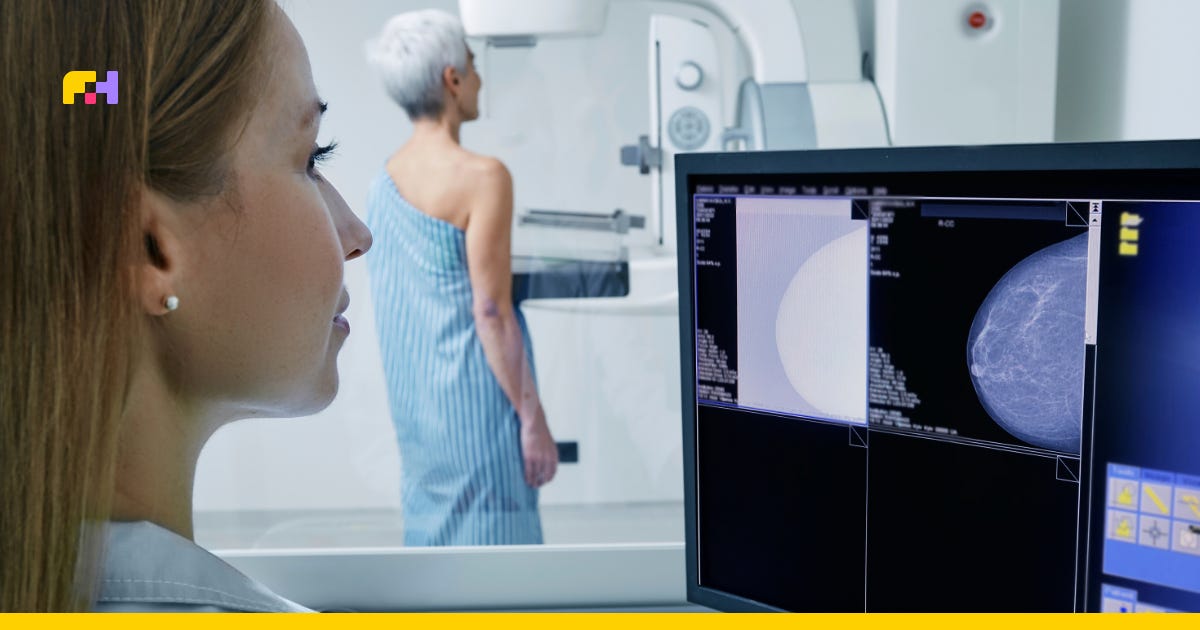
A mammogram is designed to look for breast cancer. But could the same image also tell a woman something about her risk of developing ovarian cancer?
That’s the premise behind ProvanAI, a new US startup developing AI technology to predict a woman’s five-year ovarian cancer risk from a mammogram.
The company, which has recently raised $1.2 million in pre-seed funding, comes from Washington University School of Medicine professors Joy Jiang and Graham Colditz. Their previous startup, Prognosia, developed AI to predict five-year breast cancer risk from mammograms before being acquired last year by South Korea-based Lunit.
Now they’re asking what else the image could tell us.
Their hypothesis is that breast tissue reflects years of exposure to factors including reproductive history, hormones, obesity and lifestyle, many of which also influence ovarian cancer risk. ProvanAI is collecting external data to validate its technology and plans to pursue FDA clearance, so this remains a technology in development rather than an ovarian cancer screening test available today.
But what particularly caught my attention was how Jiang and Colditz described the bigger opportunity. They want to move thinking about mammography beyond breasts that need imaging towards what Colditz called a “whole woman visit.”
And they’re not alone.
In this piece, we’ll explore why companies are looking for new health information in clinical tests and samples that already exist - and why AI could make it easier to reach patients, build distribution and even find a route to reimbursement.