


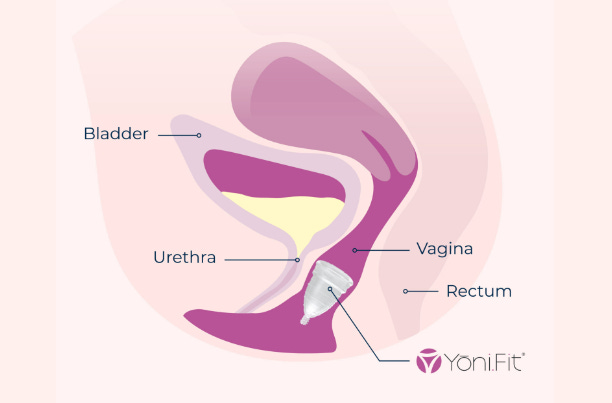
A pelvic health device originally designed to manage bladder leaks has received an expanded indication, allowing it to also be used for menstrual fluid collection - marking a rare example of a dual-purpose product spanning continence and period care.
US-based Watkins-Conti announced that its Yōni.Fit bladder support device can now be used to collect menstrual fluid and vaginal discharge in women with stress urinary incontinence (SUI). The silicone insert, which is available by prescription, was previously cleared by the FDA in 2024 for temporary management of SUI.
Stress urinary incontinence - the involuntary leakage of urine during activities such as exercise, coughing or laughing - affects an estimated two in three women at some point in their lives. Despite its prevalence, it remains underdiagnosed and often managed separately from other aspects of pelvic and reproductive health.
The updated indication reflects growing interest in more integrated approaches to women’s health, where products are designed to address overlapping needs rather than single conditions in isolation.
“Women have inquired about using the Yōni.Fit device during their menstrual period since it was first introduced for SUI,” said Allison Watkins, founder and CEO of Watkins-Conti Products.
Yōni.Fit is a reusable, self-administered vaginal insert available in multiple sizes, and is designed to be worn for up to 12 hours. According to clinical trial data, the device reduced bladder leaks in over 96% of participants, with no serious device-related adverse events reported.
The move also comes as menstrual cups and reusable products continue to gain traction, particularly among younger consumers, driven by cost, sustainability and convenience. According to a study from the Harvard Chan School of Public Health, approximately 20% of menstruating women in the United States report using a menstrual cup.
While the addition of a menstrual indication does not change the device’s core function, it highlights a broader shift in product design - moving towards solutions that better reflect how women experience pelvic health across different life stages and conditions.