Welcome to issue #150 of FutureFemHealth, (w/c June 9 2026) — the global weekly briefing on women’s health innovation.
🌟 In this week’s briefing:
🏆 $215m from Melinda French Gates for women’s health
📈 Apple adds perimenopause tracking to its Health app
💰 Impli secures £1.4M NIHR grant to advance continuous hormone monitoring for IVF
🩸 Why Ida Tin believes hormones are medicine’s biggest missing dataset
Share your news: anna@futurefemhealth.com
But first…
Go beyond the headlines with FutureFemHealth Pro
If you’ve been reading FutureFemHealth for a while, you’ve probably received dozens of newsletters covering:
hundreds of funding rounds
major policy developments
breakthrough research
emerging companies
industry analysis and opinion pieces
If FutureFemHealth has been useful, I’d love you to consider upgrading to a paid subscription.
Paid subscribers receive additional analysis including quarterly funding trackers, exclusive interviews, category deep dives and opinion pieces exploring what these developments mean for the future of women’s health.
Paid subscribers also help make FutureFemHealth possible.
There is no large media company behind this publication. Every edition is researched, written and produced independently.
If FutureFemHealth has become part of your weekly routine, or helped you better understand the rapidly changing women’s health landscape, I hope you’ll consider becoming a supporter.
Thank you for reading.
Anna
P.S So far, 54 readers have already chosen to support independent women’s health journalism since FutureFemHealth Pro launched eight weeks ago. Join them:
💰 Capital flows
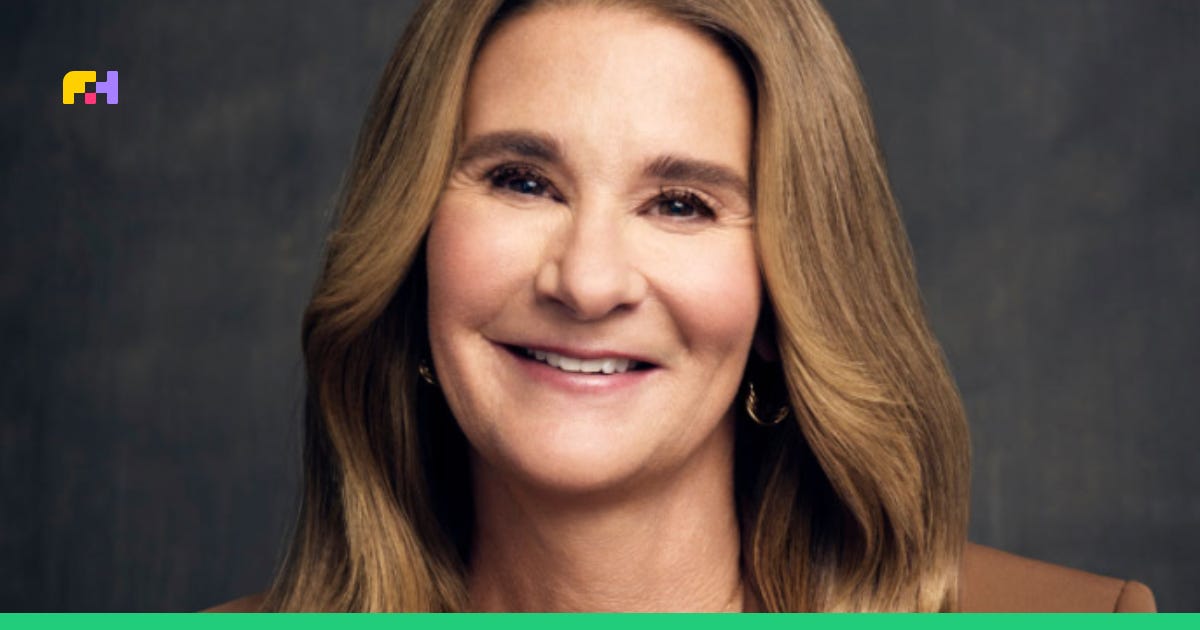
📌 GLOBAL: Melinda French Gates expands her investment in women’s health with a new $215M commitment through Pivotal. This latest commitment brings Melinda French Gates total women’s health investments to more than $600M over the past two years. Alongside continued support for reproductive health and maternal care, Melinda is also expanding her focus to midlife and menopause for the first time, including a $10M grant to expand menopause education and clinician training through The Menopause Society. (Continue reading: Pivotal)
📌 UK: Impli secures £1.4M NIHR grant to advance continuous hormone monitoring for IVF. Despite decades of advances in IVF, hormone monitoring still relies on periodic blood tests - which can mean lots of clinic visits for the patient and only a snapshot of hormone levels for the clinician. Impli’s wearable biosensor is designed to continuously measure hormones out of clinic, creating a real-time “live feed” of hormonal changes to help guide treatment decisions. The NIHR funding will support first-in-human clinical validation of the technology. This story is also significant more broadly too - the emerging field of continuous hormone monitoring is part of a growing push to move beyond hormone snapshots and generate richer, longitudinal data on female biology (for more on this see our interview with Ida Tin later in this week’s newsletter!). (Continue reading: FutureFemHealth)
📌 US: Q32 Bio secures $55M to advance alopecia areata programme. While hair loss is often viewed as a cosmetic issue, alopecia areata is an autoimmune disease that disproportionately affects women, who face a significantly higher lifetime risk of developing the condition than men. This funding will support development of bempikibart, a Phase 2 therapy designed to address the underlying immune dysfunction that drives the condition. The private placement was led by new investor BVF Partners, alongside participation from existing and new healthcare investors. (Continue reading: Q32 Bio)
📌 UK: All-female GP firm Thena Capital raises £45m for debut fund. Already backing five companies from Fund I including Plexaa (Bloom) and Salient Bio, THENA will back approximately 25 early-stage companies across digital health platforms and fast-track medical devices, with vital initial cheques of £500k to £1m at Seed stage. THENA originally announced its first close in March 2025 for £27m. (Continue reading: Sifted (paywall))
📌 CANADA: Two women’s health companies receive federal AI funding. As part of a C$16.5M programme to accelerate AI innovation across the Greater Toronto Area, pelvic health company Cosm Medical has received nearly C$2.0M to support the clinical and commercial rollout of its AI-powered Gynethotics™ platform, which designs and manufactures personalised gynaecological devices. Meanwhile, Future Fertility has received C$555k to commercialise a new AI-powered technology designed to improve assessment of endometrial receptivity, building on the company’s existing AI tools used in more than 300 fertility clinics globally. The awards highlight growing interest in applying AI to some of women’s health’s most persistent challenges, from pelvic floor disorders to fertility treatment. (Continue reading: Government of Canada)
📌 UK: Joyvié Health raises €897k to rethink continence care. While continence remains one of the least discussed areas of healthcare, it affects millions of people and is particularly relevant to women’s health through pregnancy, childbirth, menopause and ageing. Joyvié is developing patent-pending continence underwear designed to improve comfort and dignity while reducing caregiver burden. The pre-seed round was backed by Innovate UK, HERmesa Angels, Lavender Ventures and other investors, with funding supporting clinical pilots and a planned commercial launch later this year. (Continue reading: Eu-startups)
📌 IRELAND: Fertility intelligence startup Fertally secures €100,000 Enterprise Ireland backing. Founded after CEO Aisling Mooney’s 15-year infertility journey, Fertally is building a platform designed to better connect fertility care with the latest scientific evidence. It will now expand clinical pilots and advance development of its evidence-based fertility intelligence platform. (Continue reading: FutureFemHealth)
🌟 Industry moves and strategic shifts
📌 US: Apple adds perimenopause tracking to its Health app. While (peri)menopause apps have existed for years, perimenopause has now arrived on one of the world’s largest health platforms. Announced at WWDC 2026, the update allows users to log menopause-related symptoms and receive notifications when cycle patterns are suggestive of perimenopause. The move is another sign of menopause shifting from a niche category into mainstream consumer health, with major technology companies now recognising midlife women’s health as a significant market and unmet need. (Continue reading: Tech Crunch)
📌 AUSTRALIA: AstraZeneca to discontinue Zoladex 3.6mg, a treatment used in breast cancer and endometriosis. While AstraZeneca has said the decision is commercial, patient advocates have criticised the move as another reminder of how vulnerable women’s healthcare can be when treatment options are limited. The announcement has also sparked concern because a higher-dose version of the same medicine will remain available for prostate cancer, while women using the 3.6mg formulation face uncertainty about future access. (Continue reading: ABC)
🩸 Research and women’s health news
📌 US: AOA Dx reports promising results for early ovarian cancer detection. Ovarian cancer is frequently diagnosed after it has progressed, creating a major need for better diagnostic tools. At ASCO 2026, AOA Dx reported that its AKRIVIS GD blood test detected 92% of early-stage ovarian cancers in symptomatic women. Unlike traditional diagnostics that rely on a single biomarker, its test combines multiple biomarkers with machine learning, as more interest in multi-omic approaches aim to capture a more complete picture of disease biology. (Continue reading: AOA Dx)
📌 UK: Ripple unveils cohort of 26 women’s health innovations. Getting women’s health innovations into the NHS remains notoriously difficult. This Women’s Digital Health Challenge supports early-stage innovators developing digital solutions with backing from NHS innovation partners. The new cohort spans menopause, contraception, breast health, maternal care and mental health, offering a snapshot of where unmet needs remain. (Continue reading: RippleScale and see the full list of the 26 cohort members here)
📌 UK: University of Liverpool launches Women’s Health Innovation Studio. This £1.8m initiative will support the development of new women’s health technologies, including innovations aimed at reducing maternal deaths from postpartum haemorrhage. More broadly, it reflects a growing recognition that improving women’s health requires not just new startups and products, but dedicated innovation infrastructure to help promising ideas reach patients. (Continue reading: Liverpool University)
💡 Perspectives

📌 Why Ida Tin and SPRIND are building the future of continuous hormone monitoring. Hormones influence everything from fertility and menopause to cardiovascular health, cognition and immunity, yet most testing still relies on occasional snapshots. In an interview with FutureFemHealth, Clue founder Ida Tin explains why SPRIND has launched a €40M challenge to accelerate continuous hormone monitoring, why the opportunity extends far beyond fertility, and why building a shared hormone dataset may ultimately matter as much as the sensors themselves. (Continue reading: FutureFemHealth)
📌 What can femtech learn from salmon farming, airline safety and biopharma? Perhaps unlikely comparisons, but it turns out that other industries have faced versions of the same problems that femtech faces - and they have built different structures to navigate it. In this guest post for FutureFemHealth, Brittany Ryan, founder of Her Health Agents, argues that there is a case for precompetitive collaboration clusters to advance women’s health innovation. “The founder working on the same condition in a different market, with a different product and a different clinical approach, is not the competition yet. She, he, or they are a potential collaborator on the work that benefits everyone.” (Continue reading: FutureFemHealth)
📄 Policy watch: risks and opportunities
📌 US: Washington State moves to improve workplace support for menopause. Governor Bob Ferguson has signed an executive order directing state agencies to review menopause and perimenopause accommodations, while the Washington State Women’s Commission develops guidance and training resources for both public and private employers. Proposed measures include flexible dress codes, improved temperature control, access to cold water and greater use of remote working options. While the order does not create new requirements for private employers, it reflects growing recognition of menopause as a workforce issue and could help establish a model for broader adoption. (Continue reading: Seattle Times)
📆 Save 20% on tickets

📌 The Longevity Show is the UK’s first longevity festival, taking place at Tobacco Dock, London, on 26–27 June.
Helping people discover what really works for living healthier, longer, the show brings together the science, experts, technologies, brands and real-life experiences shaping the future of proactive health.
For the FutureFemHealth community, the show offers a chance to explore how femtech and women’s health innovation are becoming central to the future of longevity, diagnostics, wearables, prevention and personalised healthcare.
Highlights include the Women’s Health Summit led by Hertility, The Assessment Lab, the immersive Expo, headline talks, movement and recovery experiences, and a B2B Conference for founders, investors, clinicians and innovators shaping the future of health.
🎟️ FutureFemHealth readers can get 20% off tickets with code FFH20. Book here
That’s all for this week! If you’ve missed any previous newsletter issues catch them all at futurefemhealth.com and do make sure to follow us on LinkedIn and you can connect with me directly.
Anna