


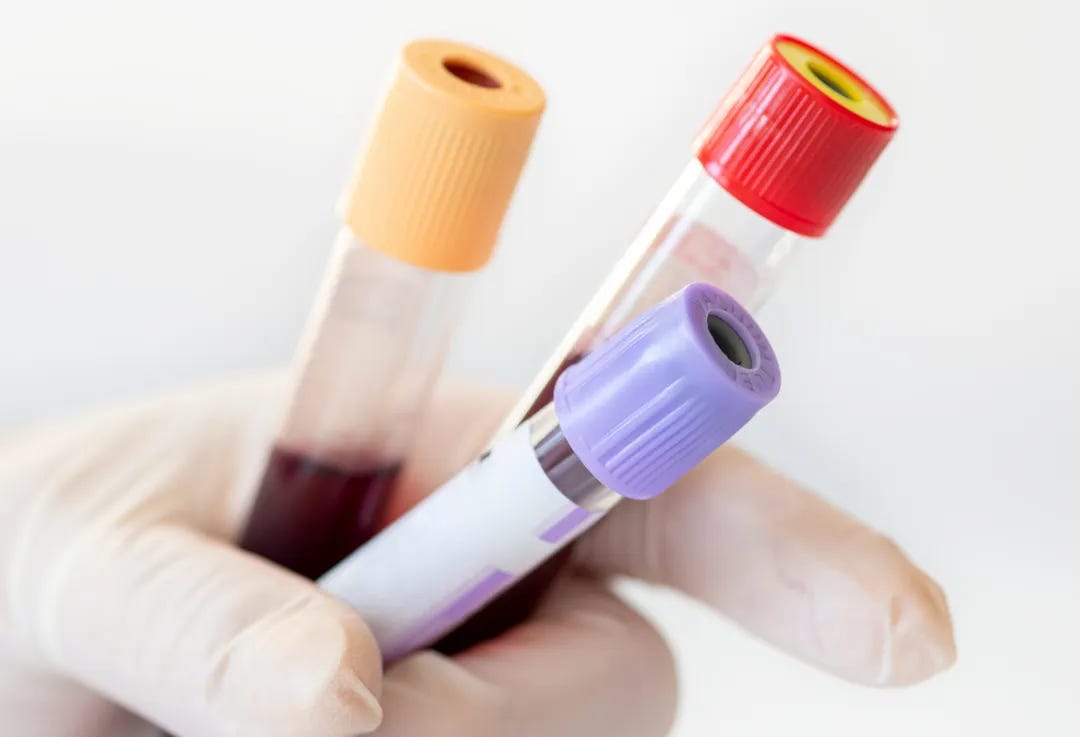
Berlin-based women’s health start-up theblood has entered a new partnership with Swiss testing and certification group SGS to support the development and validation of diagnostics based on menstrual blood.
The collaboration will see SGS act as an independent quality and validation partner as theblood works to establish menstrual blood as a clinically relevant diagnostic matrix. The companies say the aim is to build a robust scientific and regulatory foundation that can support long-term trust in this emerging area of women’s health.
A non-invasive diagnostic pathway
Menstrual blood is increasingly being explored as a potential source of biomarkers linked to female-specific conditions, including endometriosis, polycystic ovary syndrome (PCOS) and fertility-related disorders. Unlike traditional venous blood sampling, it offers a non-invasive collection method that aligns with the menstrual cycle.
Yet despite growing research interest, menstrual blood remains underutilised in clinical diagnostics. Questions around standardisation, reproducibility, biomarker stability and regulatory classification have limited its integration into mainstream care.
Under the new agreement, SGS will contribute its pharma and bioanalytical expertise to support theblood’s scientific validation work. The focus will be on embedding quality and regulatory standards early in the development process, rather than retrofitting compliance at a later stage.
“Innovative diagnostics only gain relevance when they are supported by scientific credibility and quality,” says Sheida Hoenlinger, Director Business Development at SGS in Austria, Business Assurance Cosmetics & Pharma DACH, who manages the collaboration.
“Through this partnership, we are accompanying the responsible development of a new matrix and its path toward trusted applications.”
Isabelle Guenou, Founder and CEO of theblood, describes the partnership as a step towards ensuring long-term credibility.
“With SGS supporting us on this journey, we are ensuring that the exploration of menstrual blood is guided by scientific rigor, quality and long-term trust,” she says.
From exploration to validation
Menstrual blood diagnostics have gained renewed attention as part of a broader push to address longstanding data gaps in women’s health. Diagnostic delays for conditions such as endometriosis can stretch for years, often requiring invasive procedures for confirmation. Alongside this is a cultural shift happening as the value of menstrual blood is reframed from a ‘waste product’ to a treasure trove of insights into overall health.
As FutureFemHealth explored in our deep dive on the scientific and commercial case for menstrual blood testing, the field is moving from early-stage research towards structured validation and regulatory engagement. As SGS noted in the partnership announcement, it is robust validation which establishes trust and supports wider adoption, not only among regulators and clinicians, but also among patients whose health decisions depend on reliable data.
SGS operates a global network of laboratories and facilities across 115 countries and provides testing, inspection and certification services across multiple industries, including pharmaceuticals and healthcare.
While the companies have not disclosed timelines for clinical studies or regulatory submissions, both emphasise that this validation will be central to the next phase of development of credible non-invasive diagnostics.
Related stories:
Menstrual blood diagnostics in 2026: what's changing - and what we're tracking

For years, small groups of determined researchers, clinicians and founders have been working to destigmatise and normalise menstrual blood as a source of usable health data.