


Welcome to issue #131 of FutureFemHealth, (w/c January 26 2026) — the global weekly briefing on women’s health innovation, trusted by 9,000+ investors, innovators and leaders.
🌟 In this week’s briefing:
🏆 Salvo Health lands $8.5m to scale gastrointestinal care model
🔥 Wisp acquires TBD Health in first M&A move
✅ Amissa launches AI infrastructure for menopause care
💰 ARPA-H commits up to $135.7m to overhaul lymphatic diagnostics
Building women’s health companies that clinicians actually want
Build for consumers or build for clinicians?
For much of the past decade, women’s health innovation has started with the individual: apps and platforms designed to help women track symptoms, understand their bodies, and advocate for themselves. Some of these products have scaled impressively. Period and fertility tracking alone now reach tens of millions of users.
But as the sector matures, attention is shifting toward integration – with care pathways, with clinicians, with providers.
This week’s FutureFemHealth news is full of companies making that shift. They’re not just building for patients. They’re building with – and for – clinicians.
Take Salvo Health. Operating in gastrointestinal (GI) care, this week it announced is Series A. It’s not a consumer-facing product as such, instead it plugs directly into brick-and-mortar GI clinics, enabling providers to offer wraparound, multidisciplinary care for their patients – from nutrition and behavioural health to nursing support – alongside traditional gastroenterology, all augmented by AI.
The result? 800% year-on-year growth, partnerships with 16% of all independent gastroenterologists in the US, and a new $8.5m Series A. And while Salvo doesn’t label itself as a women’s health company, 83% of its patients are women.
“Salvo Health is winning because they chose to empower GI providers, not replace them,” says Diana Murakhovskaya, General Partner at The Artemis Fund.
A similar pattern is emerging in more recognisably “women’s health” territory.
Amissa Health, a new menopause startup, is not trying to give women another place to log symptoms. Instead, it makes menopause data clinically usable. Drawing on standardised assessments, app records and wearables, Amissa produces a concise, visit-ready summary for clinicians – reducing reliance on what a patient can recall in a ten-minute appointment. NIH-backed and already live in ten early adopter practices, it gives clinicians a longitudinal, objective view of what a patient is experiencing.
And finally, Pulsenmore, which follows the same logic in fertility care, enabling patients to perform ultrasound scans at home during their IVF cycle, while keeping clinicians in the loop – improving experience without sacrificing oversight.
As Caitlyn Tivy, a clinical consultant for women’s and LGBTQ+ health companies explained to me:
“Rather than replacing providers, new tech tools should function as clinical partners we can consult as one piece of the whole puzzle. If a new digital tool can’t integrate seamlessly with a clinical EHR, it’s as good as dead to clinicians.”
Consumer tools will always have a role to play - and I’ll be honest, I love writing about them. But the companies that reshape outcomes at scale might be the less flashy ones, yet far more embedded.
The future of women’s health will be built inside healthcare, by products clinicians and providers genuinely want to use.
Have your say in this week’s poll:
Last week’s poll asked: Do you see smart ring and smart watches as a core part of women’s healthcare? 23% of you agreed with this statement, while 65% of you thought they were a hybrid of health and wellness. 13% said they should sit firmly in wellness.
💰 Capital flows: where are investors placing bets?
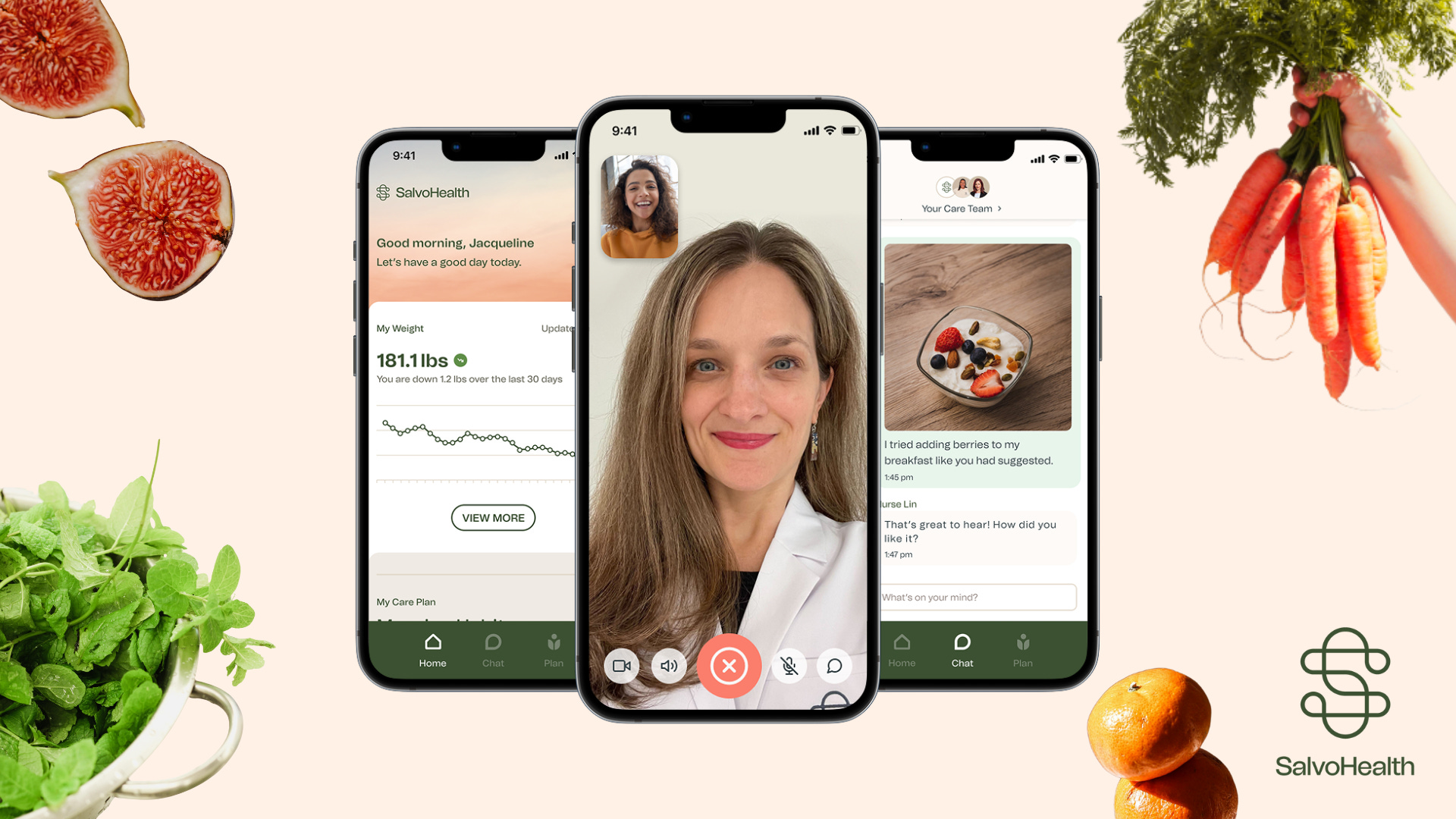
📌 U.S: Salvo Health secures $8.5m Series A to scale AI-enhanced, hybrid gastrointestinal care model. As we trailled above, Salvo Health supports brick & mortar clinics to deliver continuous, wraparound care such as nutrition, behavioural health and nursing support. With 83% female patients and 800% growth year-on-year it’s also a reminder that some of the most impactful women’s health innovation is happening outside of the label. Chronic GI conditions like IBS, IBD, and obesity-related disorders disproportionately affect women — and are still too often fragmented or dismissed in traditional care. This round was led by ManchesterStory, City Light Capital and Threshold Ventures. “With deep enterprise adoption, accelerating deployments, and a clear path to profitability, Salvo has emerged as the glue for modern multi-disciplinary GI care.” says The Artemis Fund GP Diana Murakhovskaya. (Continue reading: FutureFemHealth)
📌 Wisp acquires TBD Health in its first M&A move. This deal marks a strategic move for the women’s telehealth company Wisp, moving it beyond direct-to-consumer care and into enterprise and hybrid healthcare models. For its part, TBD brings national clinical infrastructure, diagnostics, and hospital and public health partnerships to Wisp’s platform. Financial terms were not disclosed. Wisp says it will “pursue other strategic M&A opportunities.” as it expands into new areas of care. (Continue reading: FutureFemHealth)
📌 UK: Evaro lands €21 million to expand NHS-licensed embedded healthcare. With an estimated 20 million people in the UK waiting a month for a GP appointment, Evaro enables brands to offer prescription services directly through embedded tech. Partners already include Clue and Lovehoney. “We’re making healthcare as accessible as online banking” says Dr Thuria Wenbar, CEO and co-founder. This Series A round was led by AlbionVC. (Continue reading: Eu-startups)
📌 INDIA: Pinky Promise raises $1m to scale AI-led digital clinic for women. Founded in 2020, Pinky’s chat-first platform connects women to gynaecologists for fast prescriptions and advice, designed for those constrained by time or privacy concerns. The company says it has already delivered care to 350,000+ women since launch. Next up: integrated services, physical clinics and a supplements range. This round was led by the Rebalance Angel Community. (Continue reading: Indian Startup news)
🌟 Industry moves and strategic shifts
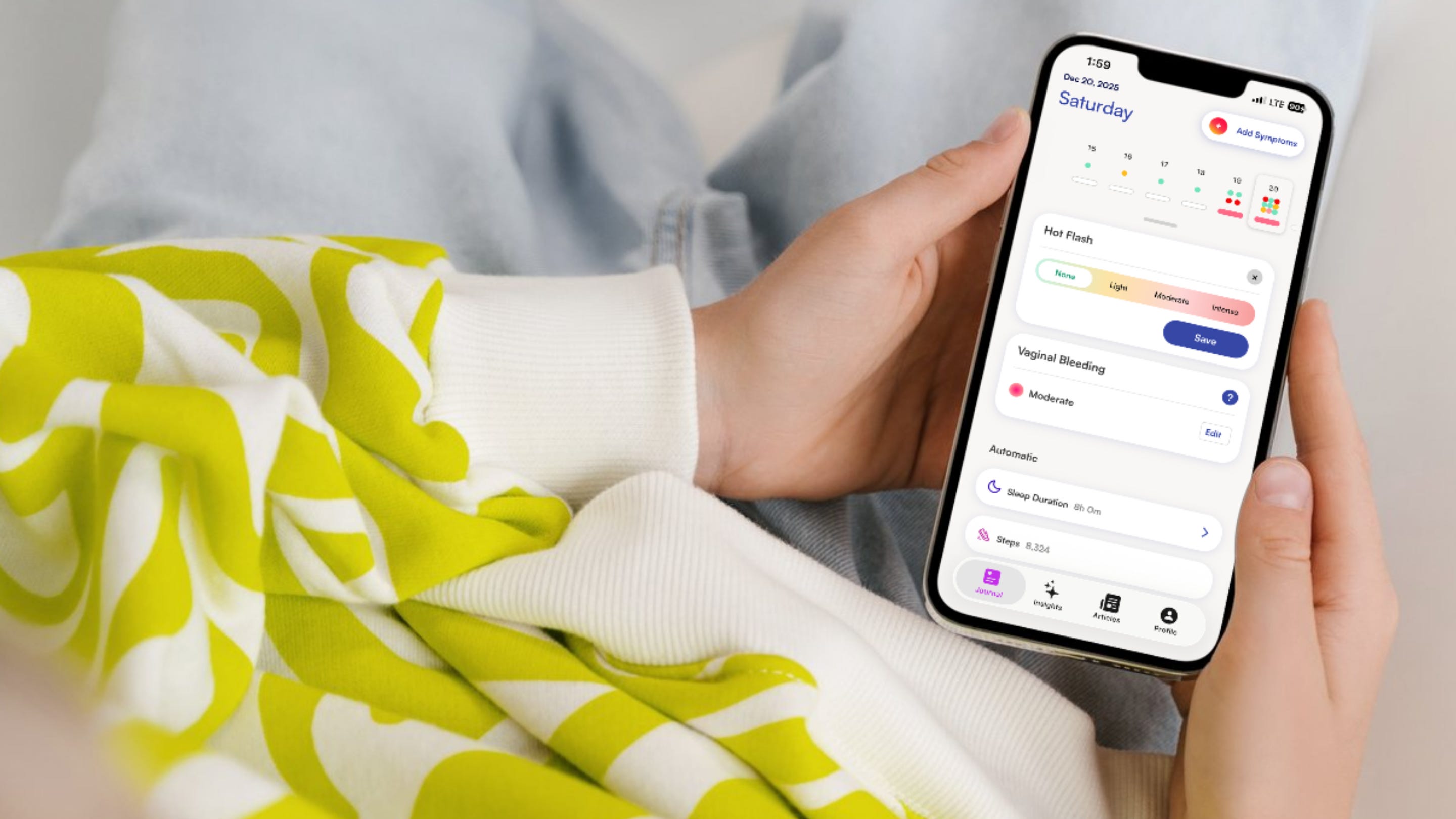
📌 U.S: NIH-backed startup Amissa launches AI infrastructure for menopause care. Newly-launched Amissa aims to make menopause symptom data actionable by pulling fragmented symptom data together into a concise, ‘visit-ready’ summary for the clinician. It draws from a standardised menopause assessment, app records and wearables to reduce reliance on what a patient can recall from memory in a ten-minute appointment. Already live in 10 early adopter practices, Amissa gives clinicians a longitudinal view of what a patient is experiencing over time. “We connect providers directly to objective patient data and turn it into insight they can actually use in care.” Sam Smith, co-founder and CEO of Amissa Health. (Continue reading: FutureFemHealth)
📌 U.S: Transformational gift establishes the Tamer Institute for Women’s Health. The University of Miami Health System has announced a ‘landmark’ gift from philanthropists Tony and Sandra Tamer to launch the Tamer Institute for Women’s Health, a multidisciplinary centre combining clinical care, research and education across the lifespan. Designed around co-located teams, personalized treatment at life stages, and flexible scheduling, the institute aims to close preventive care gaps and improve management of chronic conditions that disproportionately affect women. The funding amount was not disclosed. (Continue reading: Yahoo Finance)
📌 ISRAEL: Pulsenmore brings IVF monitoring into the home through clinic partnerships. Follicular monitoring is one of the most time-consuming parts of IVF, typically needing repeated trips back and forth to the clinic. At-home ultrasound company Pulsenmore is partnering with Clalit Health Services to shift that burden following a successful pilot at Beilinson Medical Center. Patients scan themselves at home, with results sent back to clinicians who remain in control. Women gain back time and flexibility, while care stays firmly inside the clinic. It’s a practical example of patient-centred hybrid fertility care - that makes life better for clinicians too. (Continue reading: FutureFemHealth)
📌 U.S: WellTheory launches autoimmune support program for postpartum women. Nearly three-quarters of WellTheory’s patients are women and this new program responds to customer demand for those navigating hormonal shifts after birth that can trigger or worsen autoimmune symptoms after birth. The program combines dietician and coaching support with hormone testing to identify root causes of symptoms. It’s built on the insight that the postpartum period is a major – and still underserved – inflection point in an autoimmune journey, where timely intervention may prevent more severe disease later. (Continue reading: Fierce Healthcare)
📌 GLOBAL: 200 trailblazers in women’s health 2026. Now in its fourth year, the Women of Wearables team has published its list of 200 leaders shaping femtech and women’s health. Drawn from more than 400 nominations, the final cohort spans founders, scientists, investors, policymakers and ecosystem builders - and I’m delighted to have been included too. While of course there are many, many more people who could have made this list, if you’re looking to get to know who’s who in women’s health, this is a useful snapshot of the industry as it grows and matures. Kudos to Marija and Anja from the WoW team for their work on this each year. (Continue reading: Women of Wearables)
✅ Let’s partner in 2026
Each month FutureFemHealth reaches 100,000+ women’s health innovators in 109+ countries across our newsletter, social media channels and website.
We are not a mass media channel, we are a high-trust, highly-targeted briefing read by the people who are building, funding and shaping women’s health.
In 2026 we have a limited number of partnerships for organisations who want to:
Lead the narrative on complex and/or emerging women’s health topics
Build credibility and trust with industry peers - founders, operators, clinicians and investors.
Engage leaders through thoughtful content that sparks connection, conversation and collaboration.
📩 We’re now opening 2026 partnership slots. To explore opportunities or request our media pack contact: anna@futurefemhealth.com
🩸 Research and women’s health news

📌 U.S: ARPA-H commits up to $135.7m to overhaul lymphatic diagnostics. The lymphatic system plays a central role in immune defence, fluid balance, and waste removal - yet it’s poorly understood and under-diagnosed. Around 10 million Americans live with lymphedema, with women (especially breast and gynaecologic cancer survivors) disproportionately affected. This funding aims to accelerate the development of efficient, scalable diagnostics, with selected teams including Columbia University and Stanford University. (Continue reading: FutureFemHealth)
📌 UK: Menopause linked to loss of grey matter, poorer mental health and sleep disturbance. A major new study from the University of Cambridge, published in Psychological Medicine, analysed data from almost 125,000 women in the UK Biobank, including MRI scans from 11,000 participants. Researchers found that post-menopausal women show significant reductions in grey matter in brain regions linked to memory, emotion and attention, alongside higher rates of anxiety, depression and sleep problems. HRT did not appear to prevent these structural brain changes, though it did slow declines in reaction time. The work, funded by the Wellcome Trust and NIHR, highlights menopause as a critical neurological and mental-health inflection point — and the senior author on the study says it may help explain why women account for nearly twice as many dementia cases as men. (Continue reading: University of Cambridge)
📆 Save the date
100 Female founders: Health innovators. AI in women’s health. London, Tuesday 24 Feb, 8am-11am GMT. Barclays, Shoreditch.
🎟️ Register here.
The Women’s Domain: CensHERship and the Femtech Economy. Navigating the digital barriers in women’s health. London, Thursday 26 Feb, 6pm GMT. London Bridge. (I’ll be joining my CensHERship co-founder Clio Wood to speak at this one!)
🎟️ Register here.
✅ Hiring now
📌 U.S: Staff designer, women’s health, Oura
📌 U.S: VP, major gifts, March of Dimes
📌 UK: Vice President, Reproductive Medicine, Ferring Pharmaceuticals
📌 UK: Country Business Manager, Hologic
That’s all for this week! If you’ve missed any previous newsletter issues catch them all at futurefemhealth.com and do make sure to follow us on LinkedIn and you can connect with me directly.
Anna

Before you go: Want to partner with us? To explore opportunities or request our media pack contact: anna@futurefemhealth.com