


Welcome to issue #128 FutureFemHealth, (w/c January 5 2026) — we’re the global weekly briefing on women’s health innovation, trusted by 9,000+ investors, innovators and leaders.
Happy New Year! After a two-week break for the newsletter (and me!) it’s time to kickstart 2026 with a bumper issue…
🌟 In this week’s briefing:
🔮 19 experts predict what’s ahead for women’s health in 2026
📌 The top 8 stories to have on your radar as we head into 2026.
Let’s go!
🔮 19 experts on what women’s health looks like in 2026

For 2026, we spoke with 19 leaders across women’s health — founders, investors, policymakers, clinicians, and ecosystem builders — to understand where the next phase of innovation is heading.
In last year’s 2025 predictions, our 11 experts highlighted growing momentum - in personalisation, AI, menopause, fertility and preventative care. The majority of the themes predicted did in fact play out during the year, as reflected in our 2025 end of year review.
Onto 2026, and two major themes stand out: consolidation and connection. We’re entering a more demanding phase than ever before. This is less about launching new solutions (although those are welcome!) and more about how existing innovation comes together and actually drives real-world impact.
We should expect to see fewer standalone solutions, and greater pressure to integrate and embed with clinical pathways, data infrastructure, policy frameworks and healthcare systems.
All in all, this is a natural progression as women’s health begins to ‘grow up’ - with the noticeable outcome being that women’s health is increasingly established as a core foundation for how healthcare is designed and delivered.
Our full set of predictions include perspectives from leaders such as Monica Cepak (Wisp), Katy Whalen (Joi + Blokes), Rhiannon White (Clue), Miranda Ewald (Springboard Enterprises), Dr Brittany Barreto (Author of Unlocking Women’s Health: FemTech and the Quest for Gender Equity), Angela Rastegar (Sunfish) and many more experts shaping the future of the women’s health ecosystem.
Here’s a flavour of what to expect:
“Women’s health unicorns will be built on infrastructure, not apps.” ~ Miranda Ewald, Director of Programs, Springboard Enterprises
“Citizen science datasets will start answering women’s health’s hardest questions.”~ Rhiannon White, CEO of Clue
“Consolidation will accelerate as crowded FemTech categories hit their limits.”~ Rachel Braun Scherl, Managing Partner, SPARK Solutions for Growth; Co-Founder, 51&
➡️ Continue reading all 19 predictions in the full article: FutureFemHealth.
Let’s partner in 2026
Each month FutureFemHealth reaches 100,000+ women’s health innovators in 107+ countries across our newsletter, social media channels and website.
We are not a mass media channel, we are a high-trust, highly-targeted briefing read by the people who are building, funding and shaping women’s health.
In 2026 we have a limited number of partnerships for organisations who want to:
Lead the narrative on complex and/or emerging women’s health topics
Build credibility and trust with industry peers - founders, operators, clinicians and investors.
Engage leaders through thoughtful content that sparks connection, conversation and collaboration.
📩 We’re now opening 2026 partnership slots. To explore opportunities or request our media pack contact: anna@futurefemhealth.com
ICYMI: The top 8 stories to have on your radar as we head into 2026
After a few weeks’ break, we’re departing from our usual FutureFemHealth format to zoom out into a round-up of the key stories from late December/ early Jan.
What’s interesting is several of the themes from our predictions above are already visible in this week’s news:
1. Eli Health launches real-time progesterone and testosterone testing.
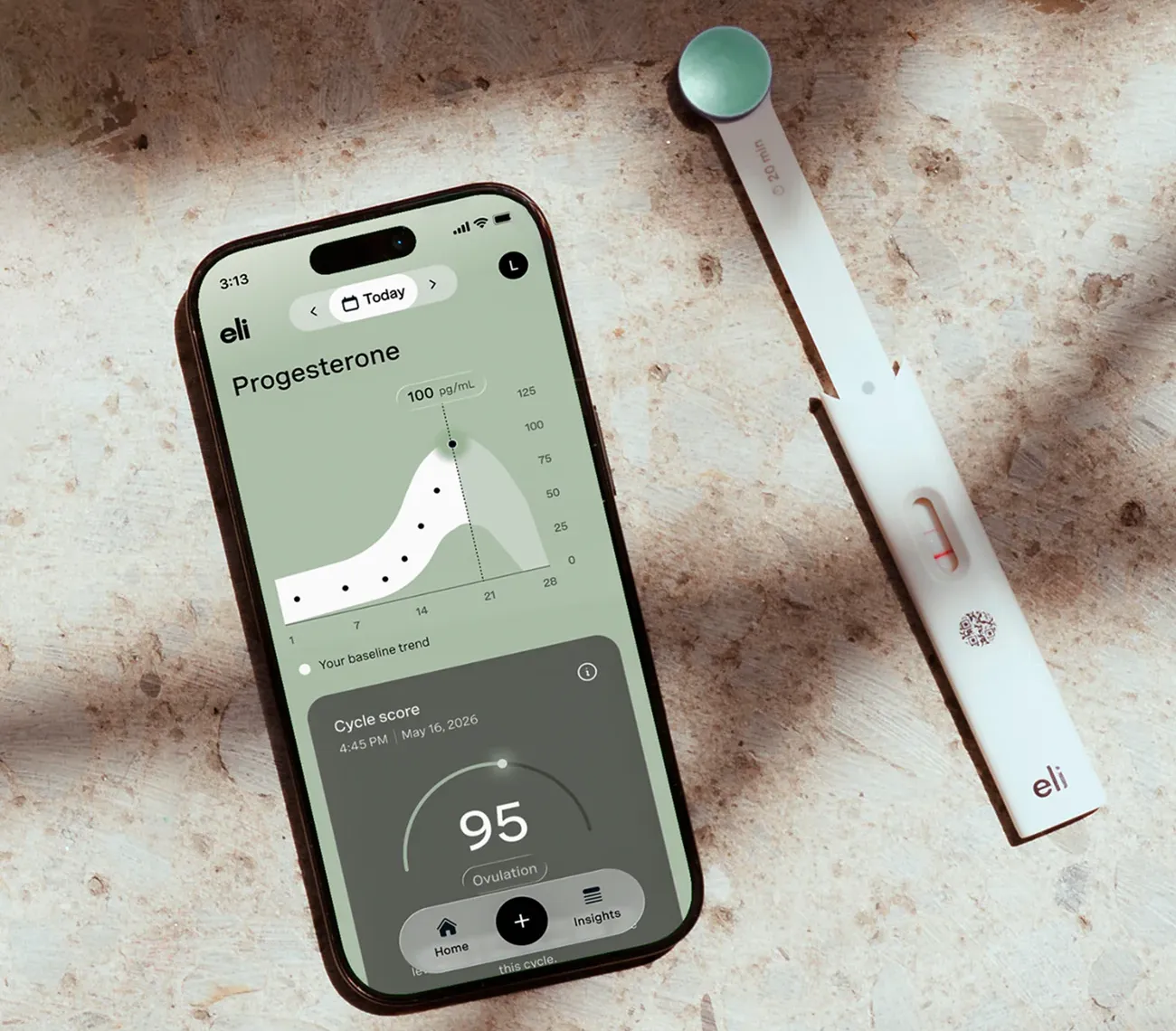
Announced during CES on Monday, Canada’s Eli Health has expanded its saliva-based Hormometer platform, opening pre-orders for real-time progesterone and testosterone tests, with results delivered to an app in minutes. Progesterone is an essential hormone that fluctuates rapidly across cycles and life stages but pattern-spotting is limited to infrequent blood tests or short-window fertility tools.
This launch sits bang in the middle of several trends accelerating for 2026: instant hormone monitoring (with continuous hormone monitoring also on the cards from start-ups such as Level Zero Health); the normalisation of at-home diagnostics (the U.S Government has just this week released new guidelines that back at-home HPV testing to boost cervical cancer screening); and growing questions about how we connect up all of this data and measurement into care pathways.
(Continue reading: FutureFemHealth)
2. U.S FDA signals it will relax how it regulates health and fitness wearables
Provided they do not make claims related to disease diagnosis or treatment, the U.S Food and Drug Administration announced yesterday that it will limit regulation of wearable devices and software that support healthy lifestyles.
This key announcement suggests the FDA will be more tolerant of products operating in the grey area between wellness and medical device. Last year, the FDA issued a warning letter to fitness band maker WHOOP, saying its blood-pressure insights feature blurred the line by estimating values used to diagnose hypertension. This new, more flexible approach has implications for any Femtech or healthtech company using data to flag risk, trends or early warning signs.
The announcement also comes weeks after Oura CEO Tom Hale publicly called, in a Wall Street Journal opinion piece (paywall - but this piece also shares more of Oura’s thinking) for a new regulatory category: “digital health screeners”. It would sit between general wellness (light oversight, limited claims) and medical device (heavy, slow approval) and would allow wearables to flag elevated risk (much like a warning light on a car dashboard) without making diagnoses.
Whether or not the FDA’s latest guidance actually resolves these blurred lines remains to be seen and will be a key theme to watch in 2026. But there has been instant reaction in the markets as shares in wearable companies such as Garmin rose.
P.S - if this is a topic that interests you I highly recommend Blythe Karow’s The Device Files.
(Continue reading: Reuters)
3. FemHealth Ventures raises $65m for oversubscribed Fund II
A welcome injection of specialist capital for women’s health as New York-based FemHealth Ventures closed its second fund at the end of 2025. Since its first $32m debut vehicle it has invested in 20+ companies including Gynesonics which was acquired by Hologic for $350m in January.
“This raise reflects growing recognition and compelling investment potential,” says firm managing partner Maneesha Ghiya.
(Continue reading: Venture Capital Journal).
4. Generic AI still struggles when it comes to women’s health
Two separate stories recently have reinforced how general-purpose AI systems are poorly performing when it comes to women’s health.
A Guardian investigation found Google AI Overviews providing misleading health advice, including incorrectly describing Pap tests as diagnostics for vaginal cancer — and returning inconsistent answers to identical searches. Google maintains that the “vast majority” of responses are accurate.
In parallel, a dedicated women’s health study by Lumos and academic partners tested 13 large language models across 96 women’s health scenarios, finding a 60% failure rate. In response, Lumos has launched the Women’s Health Benchmark (WHB), which they say is the first benchmark designed specifically to assess LLM performance in women’s health contexts.
The takeaway? There’s a big opportunity for specialist, clinically-grounded models. Unsafe, unsupervised AI advice is already operating at scale and is no doubt causing harm.
5. European lawmakers back scheme to improve access to abortion
The European Parliament has voted in favour of Your Voice, My Choice, a proposal that would allow women in countries with near-total abortion bans — including Malta and Poland — to access abortion services in other EU member states free of charge. The European Commission will decide in March whether to adopt it, marking an important signal of support for reproductive rights.
(Continue reading: Reuters)
6. The GLP-1 pill is here - and the ecosystem continues to expand
GLP-1s continue to reshape so much in health, consumer behaviour, retail and chronic disease management. Not to mention the negative consequences of the return of the ‘skinny ideal’ and potential side effects including lowered muscle and bone density.
The big news from this week is the launch of Novo Nordisk’s oral GLP-1 pill in the U.S, appealing to patients reluctant to use injectables.
At the same time, I spotted that major supermarkets are launching GLP-1 range of meals - a reminder that the impact of these drugs extends far beyond pharmaceuticals.
FutureFemHealth will continue to track this major trend in 2026 and the impacts on women’s health. As I’ve written before, it doesn’t matter if we ‘like’ GLP-1s or not, they are going to reshape the future of women’s health and health more generally and we need to follow that. The opportunity ahead is for the services, nutrition monitoring and care models that will sit around GLP-1s rather than the drug itself - especially for women navigating long-term use and those managing side-effects.
(Continue reading: Reuters)
7. 2026’s first funding announcement goes to Danish gut health company Bactolife - as it secures €30 million in Series B funding.
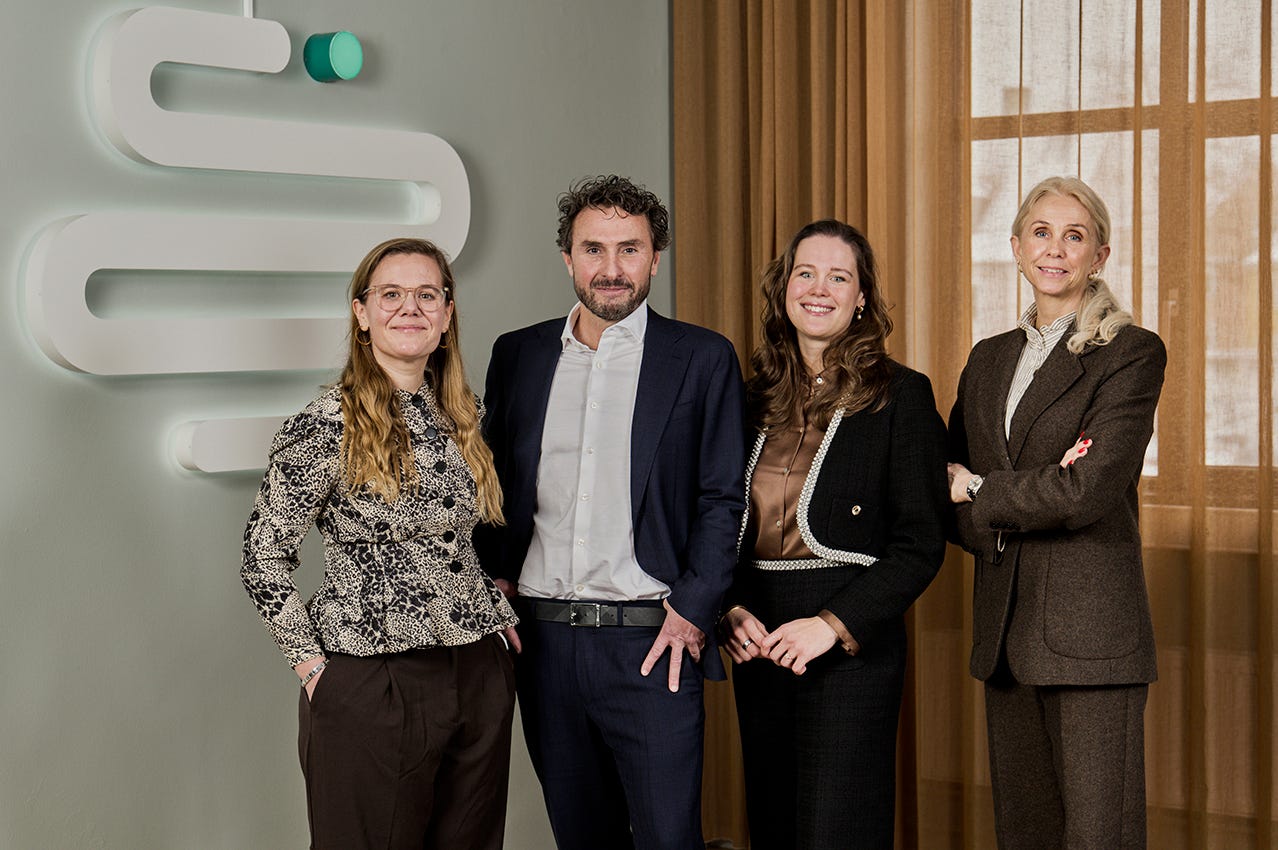
The first funding announcement of the year goes to Danish gut health company Bactolife — and it’s notable on several fronts. Series B rounds remain hard to reach in women’s health, and it’s for a company innovating in an area not typically associated with women’s health.
Bactolife’s innovative binding protein technology neutralises unwanted compounds in the gut. Rather than being a supplement itself, Bactolife will commercialise its ingredient platform Helm, which can then be integrated into a number of different foods and formats. This approach means that a key focus for Bactolife is women and children in both premium and underserved markets where gut health is tightly linked to malnutrition and immune risk.
The €30m round was led by Cross Border Impact Ventures (CBIV) and the Danish Export and Investment Fund (EIFO), with continued participation from existing investors Novo Holdings and family office Athos. The Gates Foundation is also a cornerstone backer. Notably too, this marks CBIV’s final deployment from its first fund and it is currently raising another $125m Fund II focused on women’s and children’s health tech (more good news for women’s health funding).
(Continue reading: FutureFemHealth)
8. Major review finds menopause hormone therapy does not affect dementia risk
A major review led by researchers at University College London has found no evidence that menopause hormone therapy (HRT) either increases or decreases dementia risk in postmenopausal women.
Commissioned by the World Health Organisation and published in The Lancet Healthy Longevity, the analysis pooled data from over one million women, making it the most comprehensive synthesis to date. The findings reinforce guidance that HRT should be used for symptom management, not dementia prevention, and arrive shortly after the U.S. Food and Drug Administration removed long-standing dementia warnings from HRT labels.
For women’s health, we know that menopause is a very hot area currently and this study both steadies the safety narrative around menopause care and sharpens the opportunity ahead: if HRT is not the lever for reducing dementia risk, new approaches to women’s brain health — spanning prevention, diagnostics and care models — are urgently needed.
(Continue reading: UCL)
That’s all for this week! If you’ve missed any previous newsletter issues catch them all at futurefemhealth.com and do make sure to follow us on LinkedIn and you can connect with me directly.
Finally - I’d love to hear your thoughts on this issue: what’s coming up in 2026 that we missed? Do you agree / disagree with any of the predictions? Just reply to this email and let me know!
Anna

Before you go: FutureFemHealth reaches 100,000+ women’s health innovators each month - founders, operators, clinicians and investors. We’re now opening 2026 partnership slots. To explore opportunities or request our media pack contact: anna@futurefemhealth.com
This is such an important and timely point! In women’s health, the “business opportunity” is real, but the reason it’s an opportunity is that women have been systematically under-served: under-studied in trials, under-diagnosed, and often offered symptom management without root-cause pathways. I love your framing that it starts with listening, because the biggest innovation gaps aren’t always new molecules, but they’re care pathways: earlier recognition (endometriosis, PCOS, perimenopause, autoimmune conditions), better longitudinal metrics (function, pain days, sleep, bleeding burden), and products/services designed around real constraints (time, caregiving load, cost, stigma).
The standard I hope this space keeps insisting on is: rigor + respect. That means:
1. validate lived experience and measure outcomes,
2. build with clinicians and patients (not just marketing),
3. avoid “pink tax” pricing,
4. and treat privacy as non-negotiable, especially when reproductive and cycle data are involved.
If women’s health becomes a sector defined by evidence, usability, and trust, it won’t just be a market, but it’ll be one of the biggest public health upgrades of our lifetime.