


Welcome to issue #135 FutureFemHealth, (w/c 23 February 2026) — the global weekly briefing on women’s health innovation.
I’m in London this week for a busy but exciting week of events. On Monday I spoke at the HBA London breakfast meet-up, on Tuesday I joined a Nexus event on AI in women’s health and then tomorrow is our CensHERship event at The Women’s Domain alongside my co-founder Clio Wood (still time to join us there!).
🌟 In this week’s briefing:
👩🏽💻 A deep dive into chronic pain in women’s health
💰 Hemi Health raises €4M to take structured migraine and concussion care beyond Denmark
💍 ŌURA launches its first proprietary AI model for women’s health
🙏🏼 Gedeon Richter and FimmCyte sign deal on potential endometriosis antibody
Do you have news to share? Let me know at anna@futurefemhealth.com
👩🏽💻 Will women’s pain finally be believed?
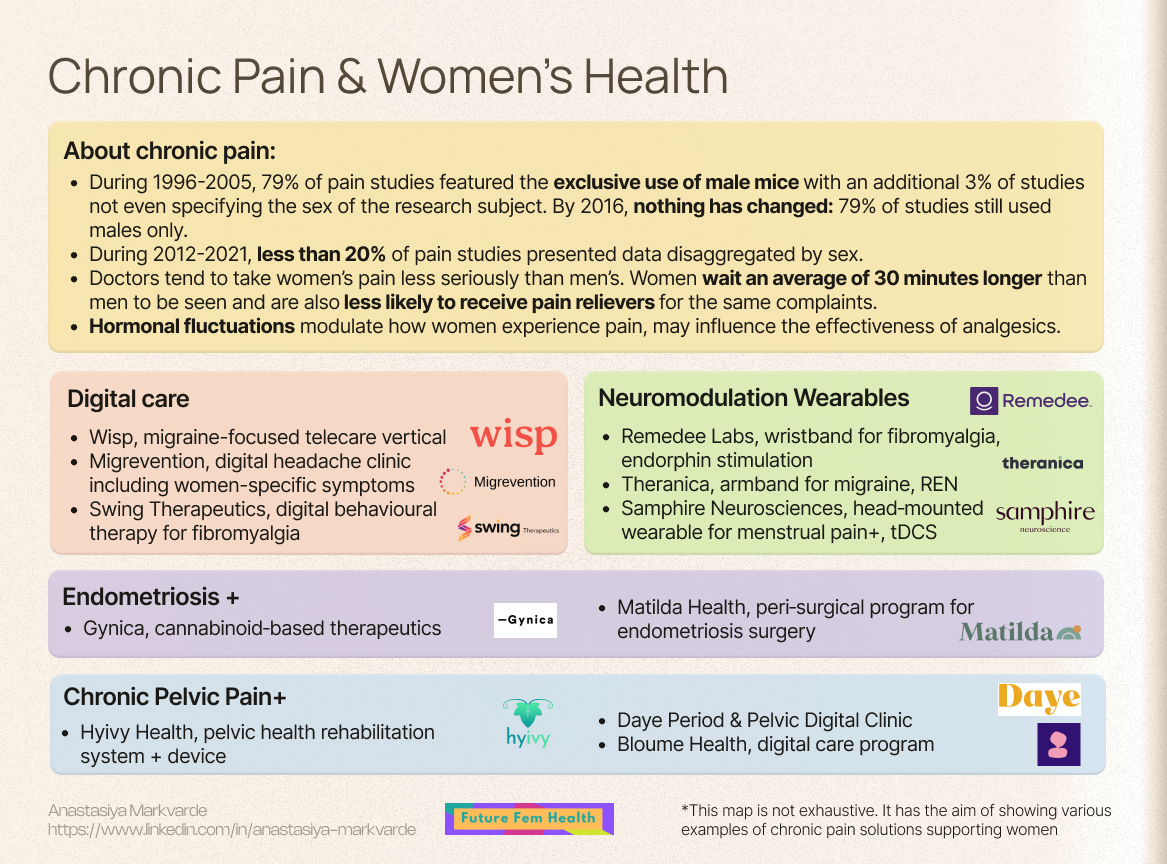
If we want to solve pain management for women, we really have to solve who has the power.
For so many women across so many years, their pain has been invisible to others, dismissed or deemed just too subjective to measure.
That’s starting to change. A new generation of tools are enabling women to track and quantify their symptoms, seek treatment and finally make their pain impossible to ignore. Tools to take the power back.
The shift is long overdue. Around 70% of people living with chronic pain are women and its one of the most common reasons women seek medical care. Yet systems of diagnosis, research and treatment have historically been built around a male baseline.
This is the mismatch that’s created a vacuum. But women consumers are demanding more and innovators are filling the gap.
In our latest deep dive FFHi brief, written by women’s health strategist Anastasiya Markvarde, we unpack the structural drivers behind the gap — and spotlight the startups and innovators building new tools to better measure, track and manage pain.
The report examines conditions such as migraine, fibromyalgia and endometriosis with chronic pelvic pain — areas where prevalence is high, disability is significant, and therapeutic innovation has lagged. Across digital care platforms, neuromodulation technologies and data-driven symptom tracking, a new infrastructure for pain measurement is emerging.
Of course, building these tools is a first step. Now the next phase of progress will depend on whether these solutions can move into standard care.
Will the power shift really take place? Will healthcare systems be willing to redesign pain management around women’s biology?
Essentially, will women finally be believed?
👉 Read the full deep dive here: Chronic pain and women’s health: innovations to track in 2026.
Have your say…
Last week’s poll asked: Were you aware of the bias within financial services towards women’s health? 25% of you said you’d experienced this yourself and 38% of you had heard about it. Another 38% of you said this issue was new to you.
💰 Capital flows
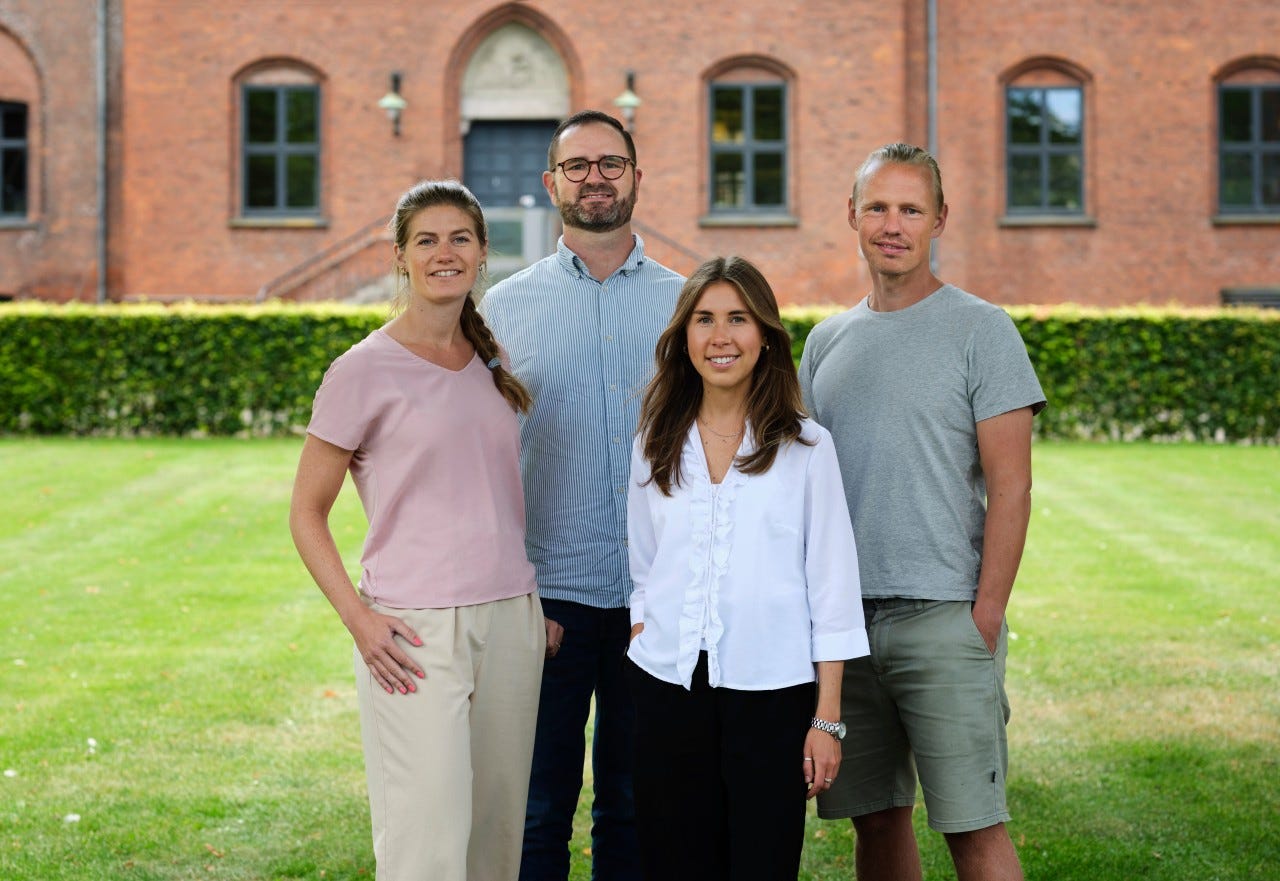
📌 DENMARK: Hemi Health raises €4M to take structured migraine and concussion care beyond Denmark. Women make up nearly 80% of Hemi Health’s current patient base - another reminder that painful conditions such as migraine disproportionately shape women’s daily lives, work capacity and long-term health trajectories. Danish company Hemi Health will use this new funding to scale its digital-first care into the Netherlands supporting more patients with structured diagnostics, individualised treatment plans, continuous monitoring and coordinated delivery. This round was led by Denmark’s Export and Investment Fund (EIFO) and Swiss Health Ventures. (Continue reading: FutureFemHealth)
📌 US: EncorVita Health acquires HerMD-linked menopause education assets to bring midlife care into aesthetic clinics. Botox with a side of HRT? Aesthetic clinics are expanding beyond injectables and laser treatments into broader ‘wellness’ and longevity offerings. This sees HRT and sexual health services on menus - but who is training providers and to what standards? Now EncorVita Health wants to position itself as the education and enablement platform. It’s picked up assets leftover from the HerMD acquisition by Joi + Blokes in late 2025 to help it expand its expert content. No deal terms disclosed. (Continue reading: FutureFemHealth)
📌 US: NIH awards $7.5M to Barbra Streisand Women’s Heart Center to probe how microvascular damage shapes women’s aging. Researchers suspect that microvascular dysfunction - damage or inflammation affecting tiny blood vessels throughout the body - may be a common biological thread linking heart disease, brain changes and musculoskeletal decline. This federal five-year grant will investigate how damage to the body’s smallest blood vessels contributes to these areas as women age - an effort that aims to connect cardiovascular science with whole-person aging. This could open up a real opportunity for therapeutics which cut across cardiology, neurology and musculoskeletal health. (Continue reading: FutureFemHealth)
📌 US. Epicured acquires Chiyo to put food at the center of women’s healthcare. Epicured, a food-is-medicine delivery service focused on digestive health, will be integrating Chiyo’s evidence-based, nutrient-dense recipes into its menu portfolio to address the full spectrum of women’s nutritional needs at every stage of life: hormonal balance, fertility, pregnancy, postpartum recovery, and overall well-being. No deal terms disclosed. (Continue reading: PR newswire)
📌 US: Sensei Biotherapeutics acquires Faeth Therapeutics and raises $200m to fuel the combined company. The centerpiece of this deal is PIKTOR, an oral drug combination targeting endometrial cancer and breast cancer. Early results are promising - in trials three patients have so far seen their cancer disappear, including two with advanced endometrial cancer. (Continue reading: Hit Consultant)
📌 US: MediKarma acquires pregnancy platform Nanell to deepen women’s health and value-based care strategy. This deal integrates Nanell’s IP and pregnancy-specific insights into MediKarma’s AI-driven care platform and longitudinal patient profile. It’s an example of pregnancy care being folded into value-based care infrastructure rather than having a standalone app. (Continue reading: Business Wire)
🌟 Industry moves and strategic shifts
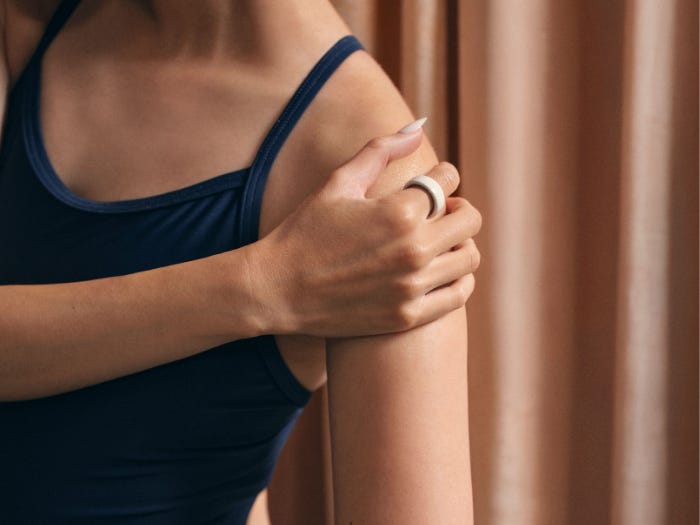
📌 GLOBAL: ŌURA launches its first proprietary AI model for women’s health. Until now, the Oura Advisor tool in Oura’s app has relied in part on general-purpose AI systems to answer questions about members’ health. The new model — rolling out in Oura Labs — is built specifically around women’s physiology, combining clinician-reviewed medical standards and research with members’ own biometric and long-term trend data. As more and more people turn to AI for guidance on health, the move reflects a push towards more specialised, clinically grounded AI - especially in women’s health. As chief medical officer Ricky Bloomfield said: “We’re setting the standard for how responsible intelligence should be built and expanded across more areas of health, pairing rigorous science with the lived, longitudinal data that makes ŌURA uniquely powerful.” (Continue reading: FutureFemHealth)
📌 HUNGARY/ SWITZERLAND: Gedeon Richter signs deal with Swiss biotech FimmCyte to develop potential endometriosis antibody. This antibody aims to target the underlying mechanisms of endometriosis rather than just managing symptoms. It’s a partnership that shows a growing pharma confidence in tackling the conditions underlying biology. “By advancing innovative research in endometriosis, an area with significant unmet medical need, we are strengthening our pipeline while working to deliver transformative solutions that can improve the quality of life of millions of women worldwide,” Dr Peter Turek, Gedeon Richter (Continue reading: FutureFemHealth)
📌 SOUTH AFRICA: UK menopause app Stella expands into South Africa through Discovery Health. Stella’s app provides symptom tracking personalised behavioural and lifestyle plans, one-on-one coaching resources and a community forum. Now up to 800,000 women in South Africa will have potential access through a partnership with the country’s largest open medical scheme. The deal shows a growing recognition by insurers that menopause is a mainstream health need. (Continue reading: FutureFemHealth)
📌 US: Preeclampsia Foundation launches provider guide to support biomarker testing adoption. FDA-cleared blood tests can help doctors assess which pregnant patients are at higher risk of progressing to severe preeclampsia — but uptake has been uneven. With delivery still the only definitive intervention (aka there’s no new treatment to go with the diagnostic), decades-old care models firmly embedded, and reimbursement and workflow hurdles slowing uptake, many clinicians remain cautious. The Preeclampsia Foundation’s new educational resource aims to close that gap, explaining the science and how clinicians can use the tests in real-world hospital settings. The broader takeaway here is that in women’s health, innovation doesn’t automatically translate into adoption. Perhaps education can be that missing bridge. (Continue reading: FutureFemHealth)
🩸 Research and women’s health news
📌 US: AI slashes months off preterm birth prediction research. About 1,000 babies are born too soon in the U.S. every day. But research into preterm birth research is slow because of massive datasets and complex pipelines. A UCSF–Wayne State team tested whether generative AI could accelerate the process — and in half the cases, it matched or beat global data science teams. This means that with AI writing usable code in minutes, a junior research duo built a viable prediction models in months, not years. And of course, a faster path from data to discovery could lead to more reliable diagnostic testing for preterm birth — the leading cause of newborn death and a leading cause of long-term motor and cognitive impairment in children. (Continue reading: UCSF)
📄 Policy watch: risks and opportunities
📌 US: ACOG publishes new endometriosis clinical Guidance, aiming to shorten time to diagnosis and improve access to care. For years diagnosis of endometriosis has relied on surgery and that’s part of why patients wait so long to get diagnosed. Now, the American College of Obstetricians & Gynecologists (ACOG) has formally endorsed clinical diagnosis based on history, symptoms, exam and imaging. This could help speed up a route to earlier treatment and more support. (Continue reading: ACOG)
📌 UK: Regulator rolls out measures to back innovation and remove barriers for smaller companies. The Medicines and Healthcare products Regulatory Agency (MHRA) wants to encourage more innovation and growth in the UK. Its package of measures for innovators include a fee waiver pilot, early market access to promising devices and enhanced support for high-impact technologies are some of the measures being introduced. For women’s health specifically, this faster route could be very welcome. (Continue reading: Gov.uk)
📌 SINGAPORE: First set of menopause management guidelines. Singapore is projected to become a super-aged society by 2030, with women spending a third of their lives post-menopause. Now the KK Women’s and Children’s Hospital (KKH) Maternal and Child Health Research Institute (MCHRI) has launched Singapore’s first set of Guidelines on Management of the Menopause Transition. Menopause typically occurs aged 49 in Singapore and the guidelines aim to encourage women to be more aware and upfront in seeking help, and to better equip healthcare professionals who manage these patients in their practices, with the tools to provide effective, tailored care.(Continue reading: KKH)
📆 Save the date
📌 VIRTUAL: Beyond the noise - how Garmin Health and Hello Inside can turn body signals into metabolic resilience. Wednesday 25 February, 4.30pm CET.
🎟️ Register here.
📌 LONDON: The Women’s Domain: CensHERship and the Femtech Economy. Navigating the digital barriers in women’s health. Thursday 26 Feb, 6pm GMT. (I’ll be joining my CensHERship co-founder Clio Wood to speak at this one!)
🎟️ Register here.
📌 LONDON: Imperial College Femtech Society Femtech Conference 2026. Saturday 28 February, 10am GMT - 4pm GMT.
🎟️ More info and tickets: Non-member tickets (£10), member tickets (£8)
📌 LONDON: Endometriosis: Lived experience, psychology of chronic disease, innovation and research, with Nexus Connected and Barclays Innovation Hub. Wednesday 4 March, 8.15am GMT.
🎟️ Register here.
That’s all for this week! If you’ve missed any previous newsletter issues catch them all at futurefemhealth.com and do make sure to follow us on LinkedIn and you can connect with me directly.
Anna

Before you go: Want to partner with us? To explore opportunities or request our media pack contact: anna@futurefemhealth.com.